
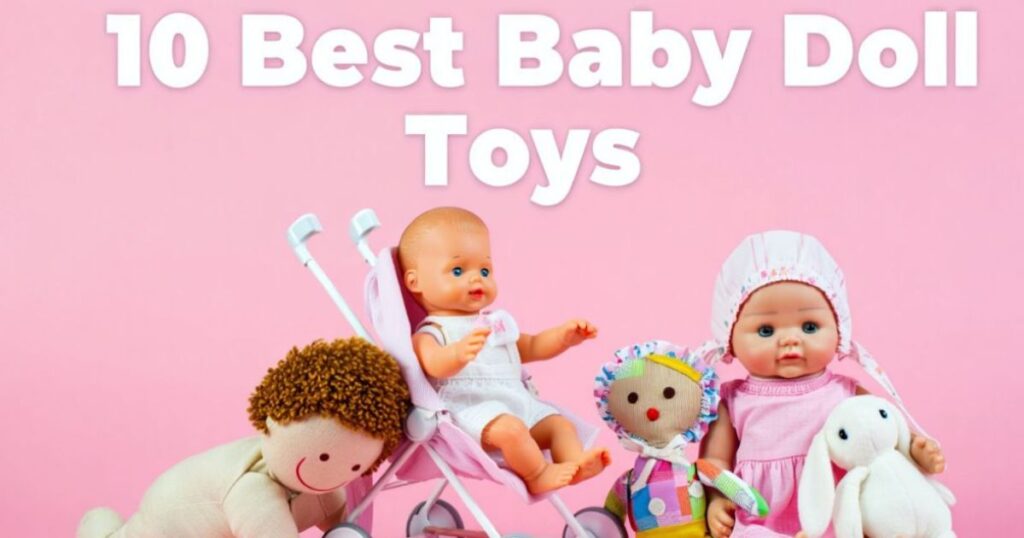
Baby doll toys have long been cherished classics that inspire nurturing play and imagination in children. They come in many varieties – from soft, cuddly dolls for toddlers to realistic, lifelike baby dolls and interactive dolls that giggle, babble or even feed themselves. These dolls not only entertain kids but also support early development, building social and emotional skills through pretend play. In this guide, we review the top 10 baby doll toys of 2026, covering the best soft baby dolls, realistic baby dolls, interactive baby dolls, and essential baby doll accessories to help parents choose the perfect doll for their child’s age and interests.
Benefits of Baby Doll Toys
Playing with dolls offers valuable developmental benefits for young children. Even infants show interest in dolls, enjoying the comfort of a familiar toy companion. By toddler age, children will imitate feeding, changing and caring for their dolls – practicing early nurturing behaviors. Pretend-play scenarios with baby doll toys help kids express feelings, repeat words they’ve heard, and build empathy by caring for the doll’s “needs.” Experts note that playing alone with dolls activates brain areas linked to emotional intelligence (like empathy and compassion). Overall, dolls teach responsibility and foster social skills in a safe, playful way.
Features to Consider in Baby Doll Toys
When choosing a baby doll toy, consider key features for play value and safety:
- Softness & Material: Many baby dolls have a plush cloth body (for comfort) paired with a vinyl head and limbs. Soft body dolls (like HABA’s Snug Up series) are easy to hug. Check that materials are non-toxic and phthalate-free. Durable stitching and machine-washable fabrics are a plus, so parents can keep the doll clean after play.
- Realism & Design: Realistic baby dolls mimic real infants, with lifelike eyes, rooted or painted hair, and even anatomically correct parts (as seen in Miniland or JC Toys dolls). These add authenticity to pretend play. Simpler dolls with embroidered features and friendly faces are gentler for younger babies.
- Age-Appropriateness: Verify the manufacturer’s age recommendation. Dolls for infants (0–12 months) should have no small pieces and often have soft, embroidered faces. Older toddlers (2–4 years) can handle dolls with removable clothes or basic features. Many interactive dolls are labeled “3+” due to small accessory parts or batteries. Matching doll complexity to age ensures safety and enjoyment.
- Interactivity: Some dolls respond to care – crying, giggling, or moving. Decide if you want an interactive doll. For example, Baby Alive and Baby Born dolls respond to feeding and play sounds. Others like Manhattan Toy’s Playdate Friends have no electronics but are fully washable, which is another great “interactive” feature (easy cleaning after messy play).
- Accessories: Many baby dolls come with accessories (clothing, bottles, blankets). These extend play: a doll bundle with a knit cap and blanket (like the Wonder & Wise Sweet Pea) teaches realistic routines. Additional outfits, feeding sets, or doll furniture (carriages, high chairs) can greatly enhance imaginative play.
- Care & Safety: Look for easy-clean dolls. Dolls with removable outfits or machine-washable parts simplify care. All quality baby dolls will meet CPSC/ASTM safety standards (no lead, no banned phthalates). Always follow the doll’s care instructions: some allow machine washing on gentle cycle, others require spot cleaning.
Safety and Materials
Safety is paramount for baby and toddler dolls. Top baby doll toys comply with U.S. toy safety standards (ASTM F963, CPSIA). These standards forbid harmful substances: eight phthalates are banned in children’s toys. Look for dolls labeled lead-free and phthalate-free. Many quality baby dolls are made of high-quality vinyl (often scented lightly like baby powder or vanilla) and tightly woven fabric. All eyes and features should be embroidered or securely attached to prevent choking hazards. For example, Manhattan Toy and Melissa & Doug detail their safety testing on labels. Finally, avoid dolls with very small accessories for babies under 3 years.
Soft Baby Dolls
Soft baby dolls are ideal for infants and toddlers who crave a cuddly companion. They usually have plush cloth bodies and no hard edges. Examples include:
- HABA Snug Up Jada (11.5″) – A compact cotton doll with an embroidered smile. She’s filled with soft polyester and has a friendly face. Jada’s entire body is machine-washable, making cleanup easy. Recommended from baby months onward, she provides comforting hugs and a sense of security.
- Pottery Barn Kids “Olivia” (16″) – A larger knitted doll with a cotton-poly body. Olivia has embroidered eyes and long yarn hair, giving her a classic rag-doll look. She wears a removable dress and shoes. At 16″ tall and recommended for ages 3+, Olivia can sit on her own and is perfect for preschoolers who enjoy dressing and rocking their doll. Her craftsmanship is very durable, though she is spot-clean only.
- Target Cloud Island Plush Baby Doll – (Budget option) A popular line of 12-14″ plush dolls with soft bodies and embroidered faces. These are very affordable, come in multiple skin tones, and have cloth outfits. They’re lightweight and designed for toddler hugs (Target sells both girls and boys versions). These soft baby dolls emphasize comfort and simplicity, with no small parts.
Soft baby dolls emphasize comfort above all. They encourage toddlers to practice cuddling and gentle play. Parents should ensure these dolls are machine-washable or easily cleanable, since little ones drool and spill. Many soft dolls are intended for ages 0+, truly safe for newborn play.
Realistic Baby Dolls
Realistic baby dolls mimic the look and weight of a real baby to deepen role-play. They often have vinyl heads and limbs with painted or rooted hair. Our recommendations include:
- JC Toys La Newborn (15.5″) – This soft-body line is known for lifelike detail. Each doll has a plush body with realistic vinyl arms and legs, and beautiful hand-painted features. The Deluxe Layette set comes with baby clothes, a blanket and basket. These dolls (made in Spain) meet rigorous safety standards and feel very authentic. They are made by JC Toys, a brand with over 30 years of doll-making expertise.
- Miniland Anatomically Correct Doll (15″) – Miniland’s 15″ dolls represent babies of all cultures and abilities. This model has Asian features with Down syndrome. She’s made of high-quality vinyl with a gentle vanilla scent. The limbs and head articulate, allowing her to sit, stand or lay down. Anatomically correct details teach children about body diversity. It’s also washable and durable. Miniland specifically promotes inclusion, so playing with this doll helps kids learn empathy and tolerance.
- Baby Alive “Real As Can Be” (16″) – A highly interactive realistic doll. She responds with 80+ expressions and sounds, truly acting like a baby. Your child can feed her with the included bottle and watch her drink, then she’ll babble or wet her diaper (teaching cause and effect). She comes with a removable outfit, hat, blanket, and pacifier. This doll is battery-operated (ages 3+). It provides a very lifelike experience of baby care, though it requires supervision due to small parts and water play.
Realistic baby dolls are generally best for preschoolers. They allow children to engage in detailed nurturing play (feeding, dressing, caring for “baby”). Check that hair is securely rooted and the vinyl is soft. Many come with several accessories (cloth diapers, bottle, etc.) to fully simulate infant care.
Interactive Baby Dolls
Interactive baby dolls include electronics or mechanical features to engage kids. They often talk, sing, or move:
- Manhattan Toy Playdate Friends Nico (14″) – A unique washable doll. She has a fully embroidered face and fabric hair (no small parts). Her standout feature is that she is entirely machine-washable – doll, outfit, and even the plush rooster companion are washer and dryer safe. This means parents can easily clean all interactive play messes. While not battery-powered, Nico’s interactivity is in the ease of her care and endless imaginative mix-and-match play (clothes and animal outfits are removable).
- Melissa & Doug Mine to Love Jenna (12″) – Jenna offers basic interactivity without electronics. Her blue eyes open and close, and she can suck her thumb or a pacifier (included). She has molded plastic limbs (wipe-clean) and a soft fabric body. Jenna comes in a removable smocked romper and matching hat. This doll laughs and “plays along” silently by eye movements, teaching toddler caregivers how to care for a baby. She smells lightly of baby powder, adding realism.
- Baby Alive Real As Can Be Baby (16″) – This doll has electronic features for ages 3 and up. She giggles, babbles, and cries – even more lifelike than earlier Baby Alive models. The child can feed her, burp her, rock her to sleep, and this doll will respond accordingly. She also comes with more props (food, bottles, diapers) than most dolls do. As a result, Baby Alive is very engaging for kids who want a high level of interaction, though batteries are required and water play can be messy.
Interactive baby dolls keep kids busy with responses to care. They teach multiple steps: feeding, rocking, changing. When choosing one, always check for choking hazards (many interactive dolls have small parts) and be ready to replace batteries. These toys often come with extensive accessories (dishes, diapers, outfits), offering a complete caregiving scenario.
Toddler Baby Dolls
Toddlers need sturdy, cuddle-ready dolls with simple features. Toddler baby dolls are durable and sized just right for little hands. Look for:
- Soft-dominant design: A cloth body with vinyl head/limbs (like HABA Jada or My Sweet Love) provides comfort.
- Removable clothing: Velcro outfits let toddlers practice dressing. For example, Love Stella dolls have magnetic pacifiers and removable clothes, made for ages 1+.
- Easy maintenance: Wipe-clean surfaces or machine-wash capability (Manhattan Toy’s Nico) are ideal.
- Safe accessories: If a stroller or small bottle is included, ensure it’s chunky.
Examples include the HABA Snug Up series (for 0+ months), the Cloud Island plush baby dolls (marketed for ages 12m+ at Target), and even cloth dolls from brands like Carter’s or Little Tikes. For toddlers (1–3 years), the doll’s emphasis is on durability and sweetness. Durable vinyl limbs withstand toddler play, and soft bodies allow early walking toddlers to carry them.
Newborn Baby Doll Toys
Newborn-themed dolls mimic a just-born baby. They often come with a newborn accessory:
- Wonder & Wise Sweet Pea (10″) – A super-soft cotton doll bundled with a knit cap, blanket, and cloth diaper. This set emphasizes caregiver routines (swaddling). Machine washable and designed for 0+ months, it’s truly a “first doll” for an infant or toddler to hug.
- Classic Baby Dolls (8–12″) – Brands like Madame Alexander offer vinyl baby dolls dressed as newborns (complete with bonnet and sleeper). These give an infant’s perspective of caring for baby.
- Bath Dolls: Some newborn toys are for bath time. For example, Nenuco or certain Baby Alive dolls float and are safe for tub play. Toddlers enjoy “bathing” their baby.
Newborn baby dolls are ideal for toddlers (1–3) to practice gentle care. Many sets include feeding bottles or pacifiers. Size matters: newborn dolls may be smaller, so check proportions. Accessories like a plastic bassinet or infant carrier can be paired to deepen realism.
Baby Doll Accessories
Accessories greatly expand doll play. Common baby doll accessories include:
- Feeding items: Toy bottles, sippy cups, plates and pretend food let kids feed their dolls. Play kitchen sets or Melissa & Doug feeding kits can complement a doll.
- Diapering kit: Cloth diapers, changing pads, and baby wipes (toy versions) allow diaper changes. Some dolls come with cloth diapers; additional packs can be helpful.
- Clothing: Extra doll outfits, pajamas, or seasonal wear add dress-up fun. Outfits with snaps or velcro are easiest for kids to manage. A second dress or romper means more pretend scenarios (bedtime or big day).
- Furniture & Gear: Strollers, doll beds or bassinets, and high chairs are popular. A simple doll stroller can encourage walking with baby. Doll strollers from $20–50 work for most 14–18″ dolls. High chairs or car seats designed for baby dolls let children safely feed or travel with baby.
- Comfort items: Blankets, stuffed animal “loveys,” pacifiers or soothers. Many dolls come with a blanket or lovey. Additional blankets or small plushies can make baby feel secure.
These accessories should match the doll’s size and age. Always ensure they are non-toxic and sized for toddlers (no loose fasteners). For example, the Wonder & Wise set already includes a knit hat and swaddle blanket. Keep accessories in a doll nursery or tote to encourage organized play.
Age Recommendations
Selecting the right baby doll depends on the child’s age:
- Under 1 year: Choose very soft, simple dolls. Cloth dolls with embroidered features or very plush bodies are ideal (no plastic parts). Dolls labeled “0+ months” are safe (e.g. HABA Ollie with no nose to avoid any choke risk). Squeeze toys or cloth dolls fall into this category.
- 1–3 years: Toddlers can use larger dolls (10–15″) with soft bodies and simple functions. Look for dolls with few small pieces. Removable clothing is good at this age. A gentle baby voice or simple crying sound can be interesting, but avoid gadgets that frustrate. Soft-body dolls from brands like Manhattan Toy or ethnic plush dolls like Bibinee’s Mabel are suitable. Supervision is advised for any small accessory.
- 3–5 years: Preschoolers can handle more complex dolls – realistic baby dolls, interactive feeding dolls (Baby Alive, Baby Born), or dolls with many accessories. They can follow multi-step routines. Check that any interactive doll is rated 3+. Dolls with tiny screws or battery compartments should have adult oversight.
- 6+ years: Older children might play with collectible dolls or detailed baby dolls (like reborn dolls), but they usually appreciate it more as a toy than a baby. Safety is generally less of a concern, though small parts (bottle lid, stroller wheels) should be noted.
Always follow each doll’s listed age guide. Manufacturers include age on packaging (often with a small icon). If a younger child uses an older toy, remove any small parts (like extra jewelry or removable eyes).
Top 10 Best Baby Doll Toys
Below is our curated list of the best baby doll toys, each with its key features, age range, and unique notes. These selections cover soft, realistic, and interactive dolls:
1. Let’s Make Memories Personalized Rag Doll
A 15″ soft cotton rag doll that can be personalized with your child’s name. You choose hair color and provide the name to be embroidered. She comes dressed in pink with yarn hair and an embroidered face. This doll is fully machine-washable and contains no small parts. It’s recommended for ages 3+. Kids love that this doll is “made just for me,” and parents value the soft, durable fabric. It’s a great cuddly companion that doubles as a keepsake.
2. HABA Snug Up Jada Soft Baby Doll (11.5″)
Jada is a compact, machine-washable cloth doll. She has a padded cotton-poly body and an embroidered smiling face with black yarn hair and brown embroidered eyes. Designed for infants and toddlers, Jada provides comforting hugs and a sense of security. Her soft filling and fluffy fabric make her ideal for snuggling. The whole doll can go in cold wash (no tumble dry). She’s suitable from birth on, making her one of the best first baby doll toys for babies (0+ months).
3. Wonder & Wise Sweet Pea Baby Doll Bundle (10″)
A newborn-themed soft baby doll from Neon Dream. Sweet Pea is made of premium cotton and measures 10″ tall. She comes with a knit cap, cloth diaper and a swaddle blanket. The set encourages realistic role-play (swaddling, feeding). Sweet Pea is machine-washable, so cleanup is simple. Recommended for ages 0+, this bundle makes a perfect “first doll” for a baby or toddler. It’s very gentle and safe for even the youngest child.
4. Pottery Barn Kids “Olivia” Soft Baby Doll (16″)
Olivia is a high-end 16″ knitted doll by Pottery Barn Kids. Her body is knit cotton-polyester with embroidered eyes, a delicate smile, and long yarn hair. She wears a removable cotton percale dress and shoes. Olivia can sit up and is quite poseable. Recommended for ages 3+, she is a preschooler’s dream doll for pretend nurturing. Olivia’s craftsmanship is excellent, with thorough safety testing. She’s a bit of an investment, but her lifelike design and quality construction make her stand out.
5. Bibinee Mabel “Kente” Black Doll (14″)
This unique 14″ plush doll represents cultural diversity. Mabel has a soft body made of eco-friendly plush and cloth, and she wears a bright African Kente-print dress. Her facial features are fully sewn, eliminating any small parts. The doll supports being machine-washed at 30°C, making it easy to clean. Children of all backgrounds love her friendly face and super-soft feel. Parents appreciate the inclusivity – Mabel is a comforting first doll or cuddle buddy that also teaches children about cultural representation.
6. Manhattan Toy Playdate Friends “Nico” (14″, Washable)
Nico is a 14″ plush doll that highlights clean play. She has embroidered facial features and colorful fabric hair. Nico is part of Manhattan Toy’s washable collection: every piece (doll, outfit, even the 4″ plush rooster buddy) is machine wash and dryer safe. Nico comes with a removable outfit (pink gingham pants and fruit-patterned shirt) and a matching pink rooster. This doll has no electronics or plastic parts, so it’s very durable. It encourages imaginative play through mix-and-match outfits. Nico is safe for all ages (recommended 3+) and is easy to keep clean.
7. Melissa & Doug Mine to Love “Jenna” 12″ Doll
Jenna is an 18+ month toddler favorite. She has a soft cloth body and molded plastic arms and legs. Jenna wears a smocked pink romper and a matching knit cap. Her blue eyes open and close, and she can suck on her thumb or the included pacifier. Jenna even has a gentle baby-powder scent. The vinyl limbs are wipe-clean, perfect for messy pretend play. Jenna encourages nurturing pretend play without batteries – she’s a very realistic soft-body baby doll for young children. Recommended age 1.5–5 years.
8. Baby Alive “Real As Can Be” 16″ Doll (Interactive)
A high-tech interactive baby doll by Hasbro. This 16″ doll responds to care with 80+ facial expressions and baby sounds. Kids can feed her water from her bottle; she drinks and then wets her diaper, babbling and laughing. She also comes with a cloth outfit, hat, bib, pacifier, bottle and instructions. This doll really acts like a baby, teaching cause-and-effect: your child will delight in rocking and talking to her. Requires batteries and small parts (ages 3+). It’s one of the most realistic interactive baby doll toys on the market.
9. Miniland 15″ Anatomically Correct Doll (Asian Girl)
This 15″ vinyl doll has Asian features and is anatomically correct. She’s made of high-quality, washable vinyl with a light vanilla scent. Her head, arms and legs articulate for natural play (she can sit, stand or lie down). Miniland’s dolls are designed to promote diversity – this one represents a girl with Down syndrome. She comes with a pack of underwear. This doll is as educational as it is playful: it allows kids to learn about differences and empathy. Suitable for ages 10–72 months.
10. JC Toys La Newborn 15.5″ Soft Body Doll (Pink Layette Set)
Another lifelike baby doll. This 15.5″ doll (from the La Newborn Soft Body collection) comes in a deluxe pink bunny-themed layette set. She has a plush body with realistic vinyl arms/legs and hand-painted facial details. The set includes a padded basket, blanket, pacifier, and outfit. JC Toys emphasizes the doll’s “real baby” feel and strict quality standards. It meets CPSIA safety requirements. This doll is a splurge, great for ages 3+ and for collectors who want a realistic doll that still functions as a child’s toy.
Conclusion
Choosing the best baby doll toys comes down to the child’s age and play preferences. Our top picks cover every category: soft baby dolls for cuddling (like the HABA Jada and Sweet Pea), realistic newborn dolls for lifelike nurturing (Miniland, La Newborn), and interactive baby dolls for responsive play (Baby Alive, Manhattan Nico). All these dolls emphasize safety—meeting ASTM/CPSC standards—and quality construction. Remember to match the doll’s features and size to your child’s age. We hope this guide helps you find the perfect baby doll toy that sparks imagination and caring play. For more ideas, check our related guides on best toddler toys and infant playsets for additional inspiration.
FAQ
Q: What are the benefits of baby doll toys? Doll play is great for child development. Baby doll toys encourage nurturing behavior, empathy, and social skills. Children pretend to feed, comfort, and talk to the doll, which practices communication and caretaking. Research (including experts at Manhattan Toy) shows that doll play activates parts of the brain involved in emotional intelligence. Even infants enjoy holding and cuddling a doll for comfort. In short, a baby doll toy provides both learning and emotional comfort in play.
Q: What age is best for baby doll toys? It depends on the doll’s design. Soft baby dolls with plush bodies and embroidered features are safe from birth (often labeled 0+). At around 1–3 years, children can handle dolls with removable clothing or simple features. By age 3+, interactive dolls with bottles and sounds become suitable. Always check the toy’s label: many baby dolls say “18m+” or “3+” for safety reasons. Match the doll to the child’s age to ensure small parts or batteries are appropriate.
Q: Are realistic baby dolls safe for toddlers? Yes, if they meet safety standards. Realistic baby dolls (with vinyl limbs) are made of non-toxic materials and undergo testing. Look for dolls marked as CPSIA/ASTM-compliant (no lead, no harmful phthalates). Toddlers can safely play with these as long as the doll is recommended for their age. For example, JC Toys and Miniland dolls are designed for safe toddler play. Always supervise very young children with any doll, and remove accessories that could be choking hazards.
Q: How do I clean baby doll toys? It varies by doll. Cloth/soft dolls are often machine washable – simply wash on gentle cycle and air dry. Vinyl-limbed dolls can be wiped with a damp cloth. For interactive dolls, remove batteries and do not submerge electronics. Accessories like cloth diapers or outfits can usually be hand-washed. Always read the care instructions: Manhattan Toy Nico, for instance, advertises that even her outfits are washer-safe. Keeping dolls clean makes them last longer and stay hygienic.
Q: What accessories should I buy with a baby doll toy? Accessories enrich doll play. Common additions: extra doll outfits (clothing, hats), feeding sets (bottles, spoons, plates), diapering kits (cloth diapers, wipes), and doll furniture (cribs, high chairs, strollers). For example, the Wonder & Wise doll includes a blanket and cap. A doll-sized stroller or carrier encourages toddlers to take baby on walks. Just ensure accessories match the doll’s size and have no small choking pieces (lots of doll sets label accessories as 3+).
Q: How to choose between soft dolls and realistic dolls? Consider age and play style. Soft dolls (plush body) are ideal for infants and toddlers who need something to hug. They are usually gentler and very durable (no breakable parts). Realistic dolls (with vinyl limbs and detailed faces) suit older toddlers and preschoolers who enjoy more advanced role-play – feeding, dressing, and multiple steps in care. Both types encourage nurturing, but soft dolls focus on comfort while realistic dolls offer more hands-on caregiving practice. Choose the type that fits your child’s developmental stage and interests.
