
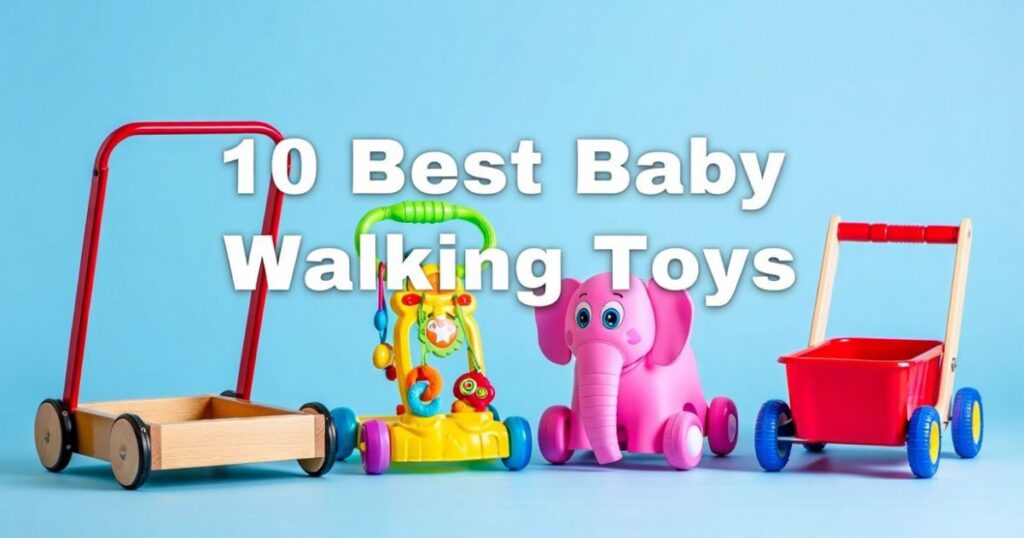
Baby walking toys are specially designed push-and-pull playthings that help infants practice standing and cruising. Unlike traditional baby walker seats (which experts warn can be unsafe), walking toys give babies a stable handle or bar to grip as they move. These toys often combine fun features—spinning beads, lights, sounds or shape-sorters—with sturdy wheels to encourage toddlers to push or ride. Introduced around 9–18 months, push toys for walking baby help build balance, coordination and gross motor skills while keeping playtime safe and engaging.
Developmental Benefits of Baby Walking Toys
Baby walking toys turn practice into play, strengthening muscles and motor skills. When a child pushes a walking toy, they use their whole body—legs, core and arms—to move it forward. This active practice improves leg strength, balance and coordination. In fact, experts note that “push toys are great for muscle development.” Many baby walkers and push toys also feature interactive elements (beads, xylophones, mirrors) that stimulate sensory learning and hand-eye coordination.
For example, push-and-play toys may include spinning gears or pop-up figures that respond to movement, reinforcing cause-and-effect learning as the baby walks. A sturdy walker toy can boost confidence: as the Radio Flyer Push Wagon notes, “walker wagons help little ones build balance and confidence” with supportive handles and stable wheels. In summary, baby walking toys help infants practice upright walking safely, while also engaging their growing minds.
Key Developmental Advantages
- Gross Motor Skills: Pushing or riding walking toys strengthens leg and core muscles, aiding in stable, confident walking.
- Balance and Coordination: The handlebar support and resist-push wheels (like on Radio Flyer wagons) allow practice without tipping or sliding too fast.
- Sensory and Cognitive Play: Integrated toys (spinners, beads, buttons) on the walker or push toy help with sensory exploration and understanding cause and effect.
- Confidence Building: Moving independently with a walking toy gives babies a sense of achievement, encouraging more practice.
Safety Considerations and Baby Walker Alternatives
Traditional wheeled baby walkers with seats have been shown to be dangerous and are no longer recommended. Infants in seated walkers can move quickly (over 3 feet per second) and reach hazards, leading to head injuries, falls and drowning risks. The AAP and many pediatricians advise tossing out wheeled baby walkers. Instead, focus on walker support toys that have no free-swinging seats.
Safer Walking-Toy Guidelines: When choosing any walking toy, look for stable designs (wide base, anti-tip features) and a sturdy bar or handle at a comfortable height. The Bump cautions parents to ensure the toy has a grab bar and “won’t tip” during use. Rubber or skidding wheels can prevent runaway speed. Some push wagons include resist-push brakes so the toy only moves as fast as the child pushes. Always supervise use and keep play areas clear of stairs or obstacles. Limit play to short sessions (the NHS suggests no more than 20 minutes at a time) to avoid fatigue and encourage variety.
Baby Walker Alternatives: If you want a stationary option, consider an activity center or exersaucer with a rotating seat—these have no wheels and focus on stationary play. AAP and NHS sources recommend alternatives like stationary activity centers or safe playpens over wheeled walkers. However, push toys and walker support toys remain a top alternative for learning to walk: they allow movement but keep baby on their feet, not seated. For example, sturdy push wagons and ride-on toys let babies propel themselves forward. Overall, the safest approach is supervised play with push toys and plenty of floor time for crawling and cruising.
How to Choose the Right Baby Walking Toy
Finding the perfect walking toy involves checking stability, features, and developmental fit. Key factors include:
- Handlebar Height and Grip: The bar should be at wrist or waist height for your baby. It should feel solid to grasp and push.
- Wide Base & Anti-Tip Design: Look for a broad base. Some brands use non-skid wheels or built-in brakes to prevent the toy from racing ahead. For example, Radio Flyer wagons boast a “resist-push feature” that slows forward motion and helps prevent tipping.
- Weight and Material: Wooden push toys tend to be heavier and sturdier, preventing sudden runs, whereas lightweight plastic walkers may zip around (good on carpets, not on hard floors).
- Developmental Appropriateness: Choose age-appropriate toys. Many toys are labeled for 9–18 months or “1 year+”. A “walking learning toy baby” should match your child’s readiness — they should be able to stand and cruise while holding furniture first. Some toys include seat attachments for younger infants that are easily removable later.
- Interactive Features: Extras like sound buttons, mirrors, and shape-sorters can extend playvalue. Ensure these don’t compromise safety (no sharp edges, small parts). For instance, the Melissa & Doug Alligator Push Toy adds fun chomping alligators and spinning beads while remaining solid wood.
- Surface Compatibility: If you have mostly hardwood or tile floors, choose push toys with wheels that won’t damage floors (rubber edges or large plastic wheels). Melissa & Doug uses rubber-coated wheels to protect floors. If outdoors, ensure the toy can handle rougher ground.
Always check for safety certifications (ASTM, JPMA) and recall alerts. With the right selection, baby walking toys become reliable tools for development and fun.
Types of Baby Walking Toys
There are several styles of walking toys to explore:
- Push Wagons and Carts: These have four wheels and a handle at the back. Often roomy, they double as toy storage. Many are wooden (like Radio Flyer’s classic wagons) or plastic. Push wagons can have storage baskets or built-in seats for dolls (for pretend play).
- Ride-On Push Cars: These 2-in-1 toys start as walkers (with a high back and push bar) and then convert to ride-on cars by removing the bar (the Little Tikes Push & Ride Racer is a popular example). They are low to the ground, sturdy, and teach balance.
- Interactive Learning Walkers: These upright walkers include built-in toy panels on the front—buttons, spinners, music, shape-sorters (e.g. VTech Sit-to-Stand). They engage senses but some have small parts; ensure pieces are secure.
- Wooden Push Toys: Classic wooden designs often feature flapping animal parts or blocks. (Melissa & Doug’s Chomp & Clack Alligator is one such educational push toy.) They look charming and tend to be durable and safe.
- Stationary Activity Walkers: Though not wheeled, these sit-on devices (exersaucers) allow bouncing and spinning. They support sitting infants rather than walking babies, so they’re often listed as baby walker alternatives rather than walking toys.
No matter the type, the best walking toys share common traits: a supportive handle, balanced wheelbase, and age-appropriate engagement.
Top Wooden Push Walker Toys
Wooden walkers are sturdy and often pack educational elements. Here are top picks in this category:
- Melissa & Doug Chomp & Clack Alligator Push Toy: This chunky wooden walker delights toddlers with three cute alligators that chomp as it moves. “Three alligators will charm toddlers as they take turns chomping with every step! This multisensory wooden push toy encourages walking and discovery”. Graphic details (fish on wheels, spinning butterfly and ladybug beads) provide extra visual stimulation. Rubber-coated wheels protect floors, and the heavy wood base prevents tipping. Overall, it’s a classic, screen-free toy that builds walking confidence.
- Kiddery Wooden Push-and-Pull Learning Walker: A Bump-recommended model, this wooden walker comes with a bead maze, shape-sorter, xylophone blocks and a rear basket. The wheels have rubber edges to safeguard floors and control speed. Parents praise its multifaceted design (blocks and beads) which keeps babies entertained off their feet, and its sturdy build which supports cruising toddlers. As The Bump notes, this toy is “affordable” and features a hold-bar with child-safe screws, making it both fun and functional.
Top Plastic/Interactive Push Walkers
These walking toys combine colorful designs with buttons and sounds to engage babies:
- Fisher-Price Corn Popper Push Toy: This iconic popper has been a favorite for generations. As baby pushes it, brightly colored balls pop and tumble inside a clear dome. “The faster baby goes, the faster the poppity-pop action! Baby’s encouraged to keep moving for all the exciting ball-poppin’ sounds and action — a fun way to give baby’s gross motor skills a push in the right direction.”. It’s lightweight and durable (24″L), with an easy-grip handle. While it offers no storage or seat, its simple cause-effect play is perfect for 1–3 year olds learning to walk (and learning about cause and effect).
- Little Tikes Push & Ride™ Racer (2-in-1): This plastic ride-on car comes with a removable push handle and high back support. It converts from a push-walker to a foot-to-floor ride-on as baby gains confidence. Little Tikes highlights that it “encourages coordination, balance, and gross motor development through active play”. Built sturdy for indoor/outdoor use, it has a bright colorful design and even a spot in back for a favorite doll. Parents love that it grows with the child: the low seat and easy-grip handles keep toddlers stable while they learn.
- Baby Einstein Musical Mix ‘n Roll 4-in-1 Walker: This hybrid toy can be used as a push walker, a seated activity center, or a convertible table. It features light-up buttons and spinning musical elements on the front panel. While the push handle is detachable, the base provides stability for pushing. (Tip: If using outdoors, lock its wheels for a more stroller-like walk.) The blend of musical features, shape sorters and coloring makes it a fun toddler walking toy that also enriches sensory play.
Push Carts & Wagons
Push carts (often styled like strollers or wagons) allow babies to load toys as they walk:
- Radio Flyer Classic Push Wagon: A timeless wooden wagon design with supportive handles. Radio Flyer emphasizes “supportive stability” – each wagon has an easy-grip handle and wide wheelbase for balance. A unique “resist-push” brake lets babies push at their own speed without it careening away. There’s also room in the cart for toys or dolls. This lets toddlers pretend to run errands or bring toys along, supporting imaginative play while they practice walking.
- Melissa & Doug Shopping Cart: Styled like a grocery cart with a built-in doll carrier and plastic produce. It’s lightweight and smooth-rolling. Though designed for older toddlers, it can serve as a walking push toy for some babies who want a role-play cart. (Just ensure it has enough weight in the front or a brake wheel – some parents line the bottom to slow it on hard floors.) The open design lets little hands pick up and place items, integrating fine motor play.
Safety and Maintenance Tips
To keep walking toys safe over time: inspect wheels and hardware regularly. Tighten loose screws and replace worn parts. Wipe down surfaces to avoid germ buildup—most plastic and wooden walkers can be cleaned with mild soap and water. Never leave a baby unattended with a walker. Always use on flat surfaces. Turn handles to lock if the toy has a brake or lockout mode (some, like convertible ride-on walkers, allow this). Finally, store toys securely to prevent tripping.
FAQs about Baby Walking Toys
Q: What is the best age for baby walking toys?
A: Most baby walking toys are designed for around 9–18 months, once an infant can pull up and cruise along furniture. You should ensure your baby has good head control and can stand while holding on before introducing a push toy. Signs your child is ready include cruising between furniture and taking independent steps when led. Always supervise early walking practice.
Q: Are baby walkers safe to use?
A: No. Traditional baby walkers with seats (where the baby sits inside on wheels) are not safe and can delay walking. Organizations like the AAP warn they cause thousands of injuries (falls, burns, drownings) each year. Instead, choose push-type walking toys or stationary activity centers. As pediatric experts advise, it’s better to “throw out your baby walkers” and use safer alternatives.
Q: How do walking toys help my baby learn to walk?
A: Walking toys give babies a stable surface to hold onto, so they can practice leg movement while staying upright. Push toys make baby use muscles in legs, core and arms, building strength. They also boost coordination, balance and confidence by turning walking into interactive play. However, keep usage to short sessions and encourage other activities (tummy time, crawling) for well-rounded development.
Q: Can walking toys delay my child’s walking?
A: Proper push toys generally do not delay walking—in fact, they encourage practice. The key is not to rely on them exclusively. NHS guidance notes that push/pull toys can be fun but should be used only for a limited time (max ~20 minutes) to avoid overuse. If a child struggles to walk even with support or shows frustration, take a break. Ensure your baby also practices cruising and independent steps without the toy. In contrast, seated baby walkers can delay walking by misaligning leg muscles, so we avoid those.
Q: What makes a push walker toy safe?
A: Safe walking toys have a low center of gravity and a wide base. Check that the handle is sturdy and at the right height. Many safe push wagons include wheels with built-in resistance to prevent sudden runs. Avoid toys with tipping issues or tiny detachable parts. Products with rubber wheels or friction locks are safer on slippery floors. Always test the toy by pressing lightly on it to ensure it stays steady.
Q: How should I supervise a baby using a walking toy?
A: Always watch closely when baby is near steps, furniture, or sharp corners. Keep hallways gated and remove small obstacles. Use walking toys only on safe floors (carpet or child-proofed areas). The CPSC and experts emphasize that most walker injuries happen under adult supervision, simply because adults can’t react fast enough. Stay at arm’s length and never leave baby unattended in a walk-and-play toy.
Q: Can I take my baby walking toy outdoors?
A: Some push wagons and ride-on cars are designed for indoor/outdoor use. The Little Tikes Push & Ride, for example, has a durable build and wheels suited for both floors and gentle outdoor terrain. If using outdoors, watch for uneven ground, slopes or curbs that might tip a lightweight toy. Wooden push toys are best kept indoors to avoid damage. Always check the manufacturer’s recommendations: many toys specify “indoor use” or “indoor/outdoor.”
Q: Are activity centers considered walking toys?
A: Stationary activity centers (exersaucers or 3-in-1 tables) are not walking toys per se, since they lack wheels. They are safe alternatives that allow bouncing and spinning in one spot. These can strengthen legs before walking and keep baby entertained. However, they don’t help practice walking motion. Baby walking toys specifically refer to push or mobile toys that encourage forward movement.
Conclusion
Baby walking toys can be wonderful, developmental tools when chosen and used wisely. They offer a fun, safe way for babies to practice walking while engaging their curiosity. Remember to prioritize safety: skip wheeled baby walkers, pick sturdy push toys with good handles and brakes, and always supervise play. With the right toy (whether a wooden push alligator, a classic Corn Popper, or a Little Tikes ride-on), your baby will strengthen muscles and gain confidence with each step. We encourage parents to explore these baby walking toys and consult pediatric recommendations to support your child’s milestones. Happy walking—and happy playing!
