
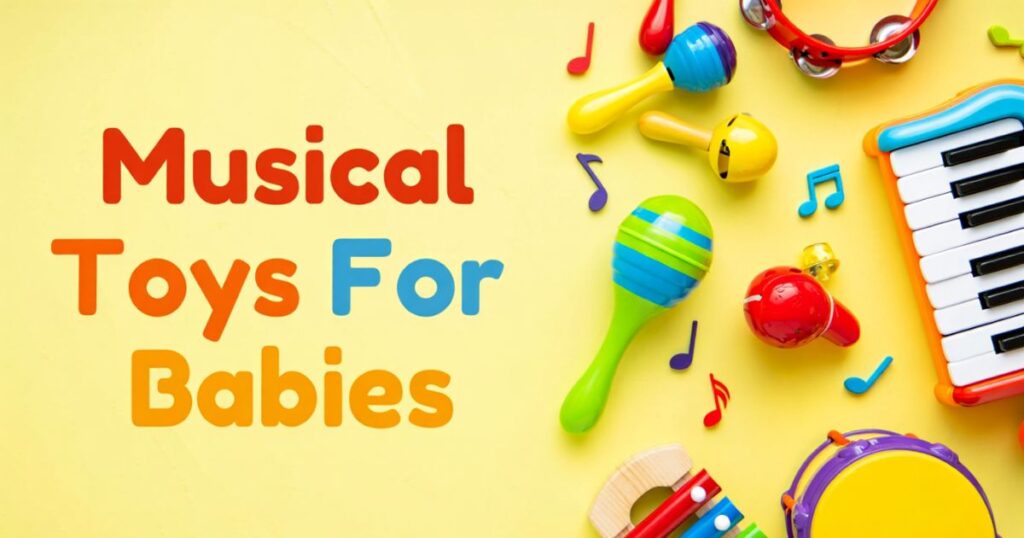
Introducing your little one to music can be both fun and educational. Musical toys for babies stimulate senses, support early learning, and encourage motor development. In this guide, we highlight the 10 best musical toys for babies that combine safety and developmental benefits. We cover age-specific recommendations, key features to consider, and expert tips to ensure parents pick the perfect tune-filled toy. Whether it’s a soft plush that plays lullabies or an activity gym with piano keys, these top musical toys for babies will have your child giggling and learning at the same time.
Why Musical Toys Benefit Babies
Musical toys aren’t just entertaining – they are powerful learning tools. Early studies show that rhythmic music play enhances babies’ brain development and attention skills. For example, I-LABS research found that “experiencing a rhythmic pattern in music can improve the ability to detect and make predictions about rhythmic patterns in speech,” leading to broader cognitive gains. Similarly, the American Academy of Pediatrics notes that musical activities boost attention, reasoning, pro-social behavior, and reduce impulsivity in young children.
In practical terms, musical toys stimulate multiple senses at once: hearing melodies, feeling textures, and moving to rhythms. They help infants learn cause-and-effect (pressing a key produces a sound) and develop language and motor skills. Striking a drum or shaking a rattle enhances fine motor coordination and timing. Singing nursery rhymes or listening to lullabies can enrich vocabulary and social bonding. Even social-emotional skills get a boost, as babies smile, dance, or cuddle plush toys that play songs. In short, introducing music early taps into a “symphony of learning,” making playtime both fun and educational.
- Auditory and Cognitive Gains: Music play helps babies recognize patterns and focus attention.
- Motor and Language Skills: Hitting keys, strumming a guitar, or shaking maracas builds coordination and introduces sounds and words.
- Emotional & Social Growth: Cuddling a musical plush or playing along with caregivers encourages bonding and expression.
How to Choose Musical Toys for Babies
When selecting musical toys, safety and development should come first. Look for age-appropriate toys: infants (0–6 months) do best with gentle sounds and high-contrast visuals, while older babies can handle more complex instruments. Ensure toys meet safety standards (CPSIA/ASTM) and carry certification logos (like the Baby Safety Alliance verified seal).
Key considerations include:
- Sound Volume and Control: Choose toys with adjustable volume or natural sound levels. Very loud noises can harm tiny ears; ASHA warns some toy sounds reach 85+ decibels – as loud as a lawn mower. 85 dB is the upper safe limit for adult exposure, so keep baby toys quieter.
- Sturdy, Non-Toxic Materials: Babies mouth everything. Toys should be BPA-free, paint-safe, and free of small parts that pose choking hazards. All components must comply with the small-parts ban for children under 3 (no pieces smaller than a golf ball).
- Volume of Play: Musically rich toys that vary sound with each play keep babies curious. Avoid toys that play one tune on loop at high volume – look for multiple songs or interactive sound triggers.
- Multi-Sensory Features: The best musical toys combine sound with lights, textures, and movement. For example, activity gyms with light-up piano keys or rattles with crinkly fabric engage sight and touch along with hearing.
- Portability and Durability: Young babies explore by crawling and grabbing. Durable, easily washable toys (especially soft ones) last longer. Toys like handheld shakers or plush music players can go on stroller rides or travel.
- Battery Safety: If the toy is electronic, ensure the battery compartment is secured with a screw. Test for ease of switching it on/off or controlling volume.
Choosing wisely ensures musical toys stay fun and safe. As Babylist advises, look for reputable brands (Fisher-Price, Baby Einstein, etc.) that uphold rigorous testing. With the right pick, you’ll encourage musical play that grows with your child.
Best Musical Toys for Babies: Top 10 Picks
These top 10 musical toys are crowd favorites for combining entertainment with development. Each supports baby’s sensory exploration and learning:
- Baby Einstein Octoplush Musical Toy – This cozy octopus plush plays five classical melodies and teaches colors in English, French, and Spanish. Squeeze its tentacles and “this educational octopus pal is worth buying as a cuddly musical buddy for infants”. Octoplush introduces color names and tunes, making it great for sensory development and language exposure in a soft, baby-safe form. (Best for cuddling and learning songs.)
- Little Tikes Tap-A-Tune Piano Baby Toy – A classic toddler piano with four oversized, colorful keys. The Tap-A-Tune Piano offers fun pre-set songs or allows baby to create tunes by tapping keys. As BestReviews notes, it’s “simple but surprisingly effective at holding a baby’s attention”. Its sturdy design and easy-learning layout are perfect for developing hand-eye coordination and musical curiosity in babies around 6–18 months.
- Fisher-Price Poppity-Pop Musical Dino – An adorable dinosaur toy with rolling balls and music. As baby bats or nudges the Dino, bright balls pop up and a tune plays. It teaches cause-and-effect and promotes crawling. According to toy experts, this “dinosaur-themed musical toy is worth the investment, especially if you need a sturdy and consistently fun activity to tire out an energetic baby”. The cheerful tunes and bouncing action engage infants around 6+ months.
- Fisher-Price Rattle ‘n Rock Maracas – A pair of puppy-shaped maracas perfect for shaking along to a beat. These easy-grip shakers have a gentle rattle and crinkle sounds, plus a friendly face. Reviewers call them “well-made”, and notes that babies and toddlers often “refuse to put [them] down”. Rattle ‘n Rock Maracas encourage fine motor skills and rhythm as little hands learn to grip and shake.
- VTech Baby Sleepy Glow Bear – A plush bear that glows and plays lullabies and nature sounds, designed to comfort babies at nap time. This cuddly toy offers a built-in night light projector and 14 peaceful melodies. It’s described as “adorable, sweet, and loaded with a range of soothingly sweet sounds,” making it “a must-have musical baby toy for naptime”. Gentle enough for newborns, it helps babies relax at bedtime while teaching cause-effect as they press its paw.
- Fisher-Price Glow & Grow Kick & Play Gym – An interactive playmat with a detachable piano keyboard. This gym has five light-up piano keys, a hanging toy arch, and multiple musical modes to suit every stage. It adapts to baby’s growth: first for lay-and-play tummy time, later for sitting and cruise play. Smart Stages technology adjusts songs and phrases as baby ages. Mom or dad can detach the keyboard for on-the-go music too. The Glow & Grow Gym “engages little ones” with lights and sounds while encouraging kicking, reaching, and pushing.
- Tiny Love Gymini Deluxe Activity Play Mat – A jungle-themed activity gym with 30 songs and 18 built-in activities. It includes adjustable arches, a mirror for self-discovery, and textures for touch. Uniquely, the Gymini comes with a Take-Along Bird that plays music and lights – so playtime can continue on the stroller. Its musical features (30 songs and chimes) stimulate auditory learning, while the tummy-time mat and hanging toys build motor skills.
- Skip Hop Farmstand “Let The Beet Drop” DJ Set – A fun farm-themed DJ toy with more than 30 play features. The set includes a light-up bunny turntable, keys, slides, and animal buttons that play jungle beats, songs, and silly sounds. It encourages imagination and motor skills – babies can press the keys, spin knobs, or hit the drum pads to create music. Its cheerful tunes and flashing lights make every play session like a little party.
- Melissa & Doug Learn-to-Play Piano – A classic wooden 9-note piano designed for young beginners. Each key plays a clear note or demo song. Built by a trusted wooden toy maker, it’s sturdy and sized for small hands. This piano helps toddlers around 1+ years experiment with melody, learn notes, and enjoy pretend play. (Melissa & Doug’s learning toys are non-toxic and meet high safety standards.)
- Manhattan Toy Lullaby Squirrel Pull Crib Toy – A hanging musical pull-toy featuring a friendly squirrel and acorn. When baby pulls down the squirrel, it plays Brahms’ “Lullaby” and the squirrel wiggles back into the nut. This clever design pairs gentle music with tactile fun (the squirrel also has crinkle textures). It comforts baby with a familiar tune and encourages reaching. As a crib toy, it’s ideal for newborns and up (0+ months) to enjoy soothing music during naps.
Each of these picks is designed to be engaging, developmentally appropriate, and safe for babies. They range from plush cuddle toys to interactive play gyms – providing options for every interest and age.
Features to Consider in Musical Baby Toys
Before buying, look for these key features that make musical toys truly beneficial:
- Varied Sounds and Modes: Toys with multiple songs, melodies, and interactive modes will keep baby interested longer. For example, some plush toys switch between instruments (piano, guitar, drum) or languages, supporting language learning and exploration.
- Volume Control: Toys that allow you to lower volume or have an automatic shutoff are ideal. The Audio Safety Health Association notes toys can reach 85 dB (as loud as a lawn mower), so lower-volume settings are safer.
- Interactive Elements: Consider toys that respond to baby’s actions: lights that flash when music plays, buttons that trigger sounds, or parts that move with songs. These encourage cause-and-effect understanding.
- Textures and Shapes: Many musical toys are multi-sensory. Crinkly fabrics, wooden parts, colorful buttons and shapes add tactile and visual interest. These features engage baby’s senses and can teach colors and shapes alongside music.
- Durability and Cleanliness: Look for sturdy construction that can withstand teething and tossing. Washable fabrics and wipe-clean surfaces are a bonus since babies dribble and drool.
- Portability: A lightweight or travel-friendly toy (like a small rattle or detached musical pad) means you can soothe baby with music on outings. Battery life also matters – choose toys with long-lasting batteries or the option to use a parental volume “lock”.
In summary, the best musical toys for babies combine educational content with fun. They grow with your child, offering new challenges (like multi-song programs or interactive play modes) as baby develops. Always check that any small parts are securely attached and meet safety standards before giving a toy to your infant.
Safety Guidelines for Musical Toys
Safety is paramount for baby toys. Here are important safety tips:
- Certifications: Ensure toys comply with U.S. standards (CPSIA, ASTM, JPMA). A Baby Safety Alliance (formerly JPMA) seal means the product was independently tested by a CPSC-accredited lab and meets strict safety criteria. This testing covers everything from mechanical safety (no sharp edges or loose parts) to toxic materials.
- Choking Hazards: Never give a toy with small detachable parts to babies under 3. All components should exceed the small-parts test size. Removable batteries (if any) must be enclosed with a secure screw closure. Always inspect toys for wear and breakage that could create dangerous pieces.
- Strings and Cords: Hanging toys (mobiles or crib toys) must have no strings longer than 12 inches to prevent strangulation. When installing a crib mobile or hanging toy, make sure baby cannot grab the string or pull the toy into the crib.
- Sound Levels: As noted, loud noises are unsafe. Favor toys that automatically limit volume (some do around 85 dB) or have adjustable volume. The Hearing Association warns that toy sounds near the ear can reach dangerous levels (even a 90 dB toy held close can become as loud as 120 dB jet noise). Test new toys yourself; if it hurts your ears, it’s too loud for baby.
- Environmental Safety: Keep all musical toys within easy reach but not dangling over the crib unsupervised after baby starts pushing up. Once baby can sit up or pull, remove mobiles to avoid collision. Store toys safely when not in use.
By choosing certified, baby-safe musical toys and following these guidelines, parents can ensure a fun, injury-free experience. Always read manufacturer age recommendations and instructions. Remember: active supervision is best when baby is playing with any toy.
Musical Toys for Babies Under 6 Months
Newborns and very young infants have emerging vision and hearing but limited motor skills. The best musical toys for this age are gentle, soft, and sensory-rich:
- Crib Mobiles & Hanging Toys: Soft mobiles with music or lullabies are ideal. These gently swing overhead and play soothing tunes, capturing baby’s gaze and attention. Example: the Manhattan Lullaby Squirrel is rated for 0+ months. Its plush design and calm Brahms lullaby engage very young ears safely.
- Soft Plush Music Players: Soft stuffed animals that play soft melodies or nature sounds (like the VTech Sleepy Glow Bear or Gund Flappy Elephant) can become baby’s first companion. They introduce music in a huggable form. The key is gentle volume and simple controls that parents can manage.
- Rattles and Shakers: Very light rattles or maracas (with soft rattling beads) are fine as baby learns to grasp. Even if baby can’t shake them yet, the sound of rattling will intrigue them. Ensure they are brightly colored for visual stimulation.
- High-Contrast Toys: Mobiles or mats with black-white patterns often include music. The contrast is easier for newborn vision. Some soothers combine high-contrast visuals with music and lights to captivate little ones.
- Tummy-Time Activity Mats: Look for mats that play music when baby touches the piano keys or tummy panel. Early gyms often have removable musical panels (like a mini piano or smartphone toy) to give baby something interesting to press. This kind of musical stimulation encourages baby to reach and kick.
At this stage, the music should be simple and repetitive: lullabies, single instruments, or short songs. Volume should be low (always below safe levels). Musical toys under 6 months should focus on auditory exposure and gentle cause/effect, rather than complex melodies or anything physically demanding.
Musical Toys for Babies (Around 6 Months)
Between 6 and 12 months, babies are more interactive: they can sit, reach out, and sometimes crawl. Suitable musical toys for this age often encourage active play:
- Interactive Activity Tables: Tables with keys, drums, or instruments on them. Example: the Baby Einstein Discovering Music Table (6+ months) offers piano keys, a guitar, and a drum that play real tunes. These multi-instrument tables allow baby to experiment with rhythm and motion while standing or sitting.
- Push-and-Pull Toys with Music: As babies learn to crawl and walk, musical push toys (like a little wagon with drum that beats when pushed) are great. They reward movement with sound. This encourages gross motor skills and cause-effect.
- Soft Instrument Toys: Larger rattles, xylophones, or toy instruments sized for baby hands. They can hit on a drum or piano and hear clear feedback. These teach coordination and make music intuitive.
- Bath Musical Toys: Waterproof musical bath toys that play songs or sounds when submerged or squeezed can make bathtime educational. For example, musical floating bath animals that squeak tunes. (Just ensure no small parts detach.)
- Musical Books or Screen-Free Clickers: Interactive board books or “sound buttons” that play music and sounds when baby touches the page help with language and auditory skills.
At 6+ months, look for toys that stand up to exploration: most babies will mouth them, bang them, and maybe throw them. The sounds can be more complex (full songs, multiple instruments), but should still have volume controls. Colorful lights and engaging characters help keep baby’s attention. Many of the toys listed above (Tap-A-Tune Piano, Poppity-Pop Dino, etc.) fit this age perfectly.
Musical Toys for Babies (12 Months and Up)
By 12 months, toddlers may be walking and are eager to imitate adults. Musical toys for this age often mimic real instruments and encourage imaginative play:
- Toy Musical Instruments: These include real-like drum sets, guitars, or wood xylophones made for toddlers. The Melissa & Doug Band-in-a-Box (10-piece set) or xylophones have mallets to tap. 1-year-olds love banging on drums or plucking tiny guitars, learning rhythm and coordination.
- Keyboard Pianos: Slightly more advanced pianos (like the 9-key Melissa & Doug piano) or colorful keyboards with pedals encourage standing play. They teach cause/effect as toddlers dance and play tunes.
- Singing Animals and Dolls: Plush toys that sing lullabies or talk can delight older babies. At 12+ months, a musical doll or animal that sings nursery rhymes when hugged or pressed becomes a favorite.
- Dance Mats and Floor Toys: Interactive musical mats (like a “Baby Shark” keyboard mat) get older babies moving and learning music and letters. These typically have big keys and songs that play when stepped on.
- Farm or Dollhouse Music Sets: Multi-piece sets (like the Skip Hop Farmstand DJ) where the toddler can move pieces around to make music are great. They encourage pretending and combining sounds with storytelling.
At this stage, musical toys can teach turn-taking (listening and then playing back), cause/effect (turning dials, pressing buttons), and creative expression. The volume can be a bit higher if in a playroom, but still monitor listening time. Models like the Hape Pound & Tap Bench let toddlers pound balls onto xylophone bars to create random tunes – blending music with motor play.
Hanging Musical Toys for Babies
Hanging or mobile toys are designed to attach to cribs, strollers, or play gyms. They often combine music, movement, and sometimes lights. Key points:
- Crib Mobiles: These rotate or sway and play lullabies or nature sounds. They soothe babies at bedtime and develop tracking skills as babies watch moving characters. Examples include soft stars that play a lullaby or animal mobiles with gentle melody loops. The Manhattan Toy Lullaby Squirrel is a pull-down toy that attaches to the crib rail and plays music when interacted with.
- Stroller/Car Seat Toys: Many “jittery toys” clip onto strollers or carriers. These often have simple melodies or rattles – great for on-the-go music. e.g., a musical dragonfly or bird that attaches and chirps a tune when squeezed.
- Gym Arch Toys: Activity mats frequently have removable hanging toys. Musical versions (like a dangling smartphone toy that plays songs) can stay tethered so baby can bat at them.
- Hanging Plush Toys with Music Boxes: Some plush animals have a wind-up music box that can be wrapped around a crib. When baby kicks or the wind-up is pulled, a soft lullaby plays.
When using hanging toys, always secure them well out of reach and remove them once baby starts to push up or pull on things. The advantage is they keep baby entertained while lying down, but the caregiver can gently disengage or move them when not needed.
Musical Soft Toys for Babies
Soft musical toys (plush with sound) are perfect first music companions. They combine comfort and stimulation. Examples and features:
- Plush Animals with Songs: Many brands (Flappy the Elephant by Gund, VTech Sleepy Glow Bear, or classic taggies musical toys) are cuddly animals that sing when squeezed. These typically have simple melodies or soothing tunes. A baby can hug or press the toy to trigger music, teaching cause/effect and providing comfort.
- Soft Books with Sound: Cloth or crinkle books that include a button to press for a song or lullaby. These engage sight, sound, and touch.
- Sensory Blankets with Music Modules: Some baby blankets or loveys include a hidden music module. When baby holds or squeezes it, a lullaby plays.
- Motorized Plush: More elaborate ones (like VTech’s Sleepy Glow Bear) might even project lights or flash eyes to go with the music.
Soft toys should be machine-washable if possible (with removable electronics). The advantage is that babies often cuddle them, associating the music with comfort. At any nap or quiet time, a plush music toy can soothe the baby to sleep with gentle lullabies, making them ideal for bedtime routines.
Musical Toys for Babies in India
Parents in India are also embracing musical baby toys, both global and local. Brands like Fisher-Price, Tiny Love, and VTech are widely available online (Amazon.in, FirstCry, etc.). In addition:
- Local and Regional Options: Indian baby brands and crafts like Shumee or Channapatna offer simple musical wooden toys (e.g., mini xylophones or hand drums) that meet safety standards. These can be more affordable and made from non-toxic materials.
- Affordability and Certification: Regardless of origin, check for safe paints and non-toxic plastics. Many international brands sold in India also carry international safety certifications.
- Where to Shop: Leading e-commerce (Amazon India, FirstCry) have dedicated sections for musical toys. Categories range from “Soft Musical Toys” to “Musical Instruments – Baby.” Prices and availability vary, but popular items mirror global trends (plush music toys, activity gyms, rattles with tunes).
It’s important to ensure Indian purchases also follow safety guidelines: avoid sharp edges, choking risks, and extremely loud toys. If in doubt, look for user reviews and country-specific labels (e.g., ISI mark in India). Ultimately, whether in the US, India, or anywhere, the criteria for a great baby musical toy remain the same: safety, developmentally appropriate, and fun for the child.
Musical Cot Toys for Babies
Cot toys are essentially musical toys meant to attach or stand by the crib:
- Crib Mobiles with Music: These are typically battery-powered mobiles that play lullabies and rotate overhead. Many have additional lights or projection. Examples: Fisher-Price star projectors or Tiny Love mobiles. They gently soothe babies to sleep.
- Crib-Attached Pull Toys: Some plush musical toys (like the Manhattan Lullaby Squirrel) have straps that hook onto the crib railing. Pulling them down plays a lullaby, making them easy for babies to use independently.
- Clip-on Electronics: A few sound machines or night lights attach to the crib wall or railing. These can play white noise, nature sounds, or lullabies on a timer. (Note: make sure cords do not reach baby and that devices are securely mounted.)
The main advantage of cot toys is providing entertainment or comfort in the crib without extra holding or screen time. Always secure them out of reach once baby can stand to prevent accidents.
Musical and Light Toys for Babies
Combining music and light adds excitement:
- Musical Projectors: Toys like a “starry night” projector that plays music while shining stars on the ceiling. These often have several lullabies or nature sounds and auto-shutoff. (Note: position projector safely and at a distance to avoid overheating.)
- Light-up Keyboards/Tables: Many baby pianos or play tables have light-up keys that flash with sound (e.g., piano keys that light up as songs play). This visual feedback holds babies’ attention and teaches cause-effect.
- Dance Mats and Pads: Electronic mats that light up in patterns and play songs when stepped on or pressed. The WowWee Pinkfong Baby Shark mat, for example, lights up and sings the Baby Shark song, motivating toddlers to dance and learn letters.
- Stuffed Toys with Glowing Accents: Some plush toys have eyes or accessories that glow or blink to the beat. They may display different color lights or shapes when music plays.
- Sensory Light Toys: Soft cubes or balls with built-in songs and pulsing lights. Babies can watch colors change in sync with rhythms, which is great for visual tracking.
When using lighted toys, ensure the lights aren’t too bright for night. Many have adjustable brightness or soothing modes. These toys effectively engage multiple senses, making playtime more immersive and helping little ones learn by exploring flashing lights and melodies together.
Baby Music Toy for Sleep
Music can be a powerful sleep aid. The best sleep-focused baby music toys are ones that play calm, repetitive lullabies or white noise, and either tuck into the crib or sit on a nightstand:
- Lullaby Plushes: As mentioned, toys like the VTech Sleepy Glow Bear or the Skip Hop Good Night Projector play soft lullabies and emit gentle lights. These help establish a bedtime routine.
- Portable Sound Machines: Devices (often plush-wrapped) that play white noise, heartbeat sounds, or lullabies. They often have timers or motion sensors (playing when baby stirs). Example: the “Baby Shusher” or Hatch Baby Rest (digital sound machine).
- Soothing Mobiles: The good old mobile that twirls overhead at night – many come with a nightlight in the center. These often include nature sounds and can be controlled remotely.
- Projector Night Lights: Projectors that display stars or ocean waves on walls/ceiling accompanied by gentle music. They run for 20–40 minutes and often shut off automatically.
Key tips: Use music toys for sleep only during the bedtime routine or nap time, not all day. Repetitive lullabies or white noise (like soft rain or heartbeat) are best. Keep volume low and the toy at a distance (e.g., a few feet away) from baby. By linking a specific toy or melody with sleep time consistently, baby will start to associate that sound with calm and rest.
Baby Musical Toys for Crib
Crib-appropriate musical toys include anything a baby can safely listen to while lying down:
- Crib Mobiles (again): Easily the most common. Many foldable or detachable for travel. Keep mobile out of reach once baby can sit up, but it’s fine while laying down.
- Clip-on Lullaby Boxes: Some toys clip onto the side of the crib or headboard and play a lullaby when baby kicks a panel or presses a button. These provide interactive fun even when baby lies in crib.
- Projection Toys: As above, projectors with music on a shelf or attached to the crib often have extension arms. They entertain with lights and sound without baby having the object in hand.
- DIY Playlist: If safe toys aren’t available, even a Bluetooth speaker playing a soft playlist (under strict supervision) can act as a “musical toy” for crib time. (Ensure volume is low and device is far from baby.)
The goal is the same: create a soothing or engaging environment for the baby in the crib without adding unsafe items. Soft mobiles and pillows (with music modules) are time-tested; just always remove them by the time baby can grab them to avoid entanglement or suffocation risks.
Conclusion
Musical toys for babies offer an entertaining gateway into the world of sounds, language, and rhythm. The 10 Best Musical Toys for Babies we’ve highlighted – from plush singing friends to interactive pianos and mobiles – each provide joy while stimulating development. We’ve seen that early music exposure can sharpen babies’ brains and promote skills like attention and motor coordination. When choosing a toy, focus on age-appropriateness, safety certifications, and multi-sensory engagement. Keep volumes low and supervise play to protect sensitive baby ears. By selecting a high-quality musical toy, you give your child the chance to giggle, dance, and even learn through play.
Whether it’s the gentle lullaby of a crib mobile or the exciting beats of a colorful keyboard, musical toys can become treasured parts of your baby’s early learning journey. Ready to bring music into your home? Check out some of the products above and watch your little one’s face light up with every note.
Listen closely – your baby might just be humming a new favorite tune already! 😊
FAQs
Q1: What makes a musical toy suitable for a baby under 6 months?
A: For babies under 6 months, look for soft, sensory-rich musical toys. These include plush toys that play gentle lullabies, black-and-white mobiles with simple melodies, or rattles with soft chimes. At this age, infants are developing hearing and sight, so toys should have gentle volume, smooth textures, and high-contrast colors. For example, a hanging crib mobile playing classical lullabies or a cushy octopus that plays music when squeezed are great picks. They encourage auditory development and motor skills in a safe, engaging way.
Q2: Are musical toys safe for newborn babies?
A: Yes, musical toys can be safe for newborns if chosen carefully. Ensure the toy meets safety standards (look for JPMA or ASTM certification). For newborns, use toys that don’t have small parts or hard edges. Stick to soft mobiles and plush music players placed out of reach. Avoid any toy that plays very loud sounds. The American Speech-Language-Hearing Association warns that toy noises above 85 dB (lawn mower level) can be harmful, so toys for newborns should play at a comfortable, soothing volume only.
Q3: How do musical toys help with baby’s development?
A: Musical toys benefit babies in many ways. They promote auditory and language skills by introducing patterns and new sounds early. Rhythmic play can improve babies’ pattern recognition and may even boost speech perception. They also develop motor skills: hitting drums or shaking rattles enhances hand-eye coordination. On the cognitive side, music supports attention and memory. Moreover, music can foster social-emotional growth – babies often smile, dance, or cuddle with a musical toy, building emotional bonds. In summary, every melody and movement with a musical toy is a learning opportunity for your child.
Q4: What features should parents look for in a baby music toy?
A: Key features include age-appropriate design, safety, and interactivity. Choose toys rated for your baby’s age. Ensure volume control (some toys have lower volume modes) to protect baby’s ears. Look for sturdy, BPA-free construction with no choking hazards. Multi-sensory features are great: lights, textures, and sounds all together keep baby engaged. For instance, a piano gym with light-up keys or a plush that plays different tunes are ideal. Also consider how the toy grows with baby (e.g., multi-stage play modes). Certified seals (JPMA, ASTM) signal that the toy has passed rigorous safety testing.
Q5: Can deaf or hard-of-hearing babies enjoy musical toys?
A: Yes, to an extent. Even deaf babies often sense rhythm and vibrations, which can be stimulating. For families of deaf babies, toys with tactile music features are best: think of small drums, tambourines, or electronic toys that light up with vibration. Singing into a baby’s chest while they wear headphones or watching their favorite toy might convey rhythm through touch. Many experts suggest using visual or tactile cues along with any sound. While their experience of music is different, the movement and rhythm aspects of musical toys can still support motor and cognitive development. If you have concerns, consult a pediatric audiologist for personalized advice.
Q6: What’s a good musical toy for helping my baby sleep?
A: For sleep, go with soothing choices. Soft lullaby mobiles or plush soothers that play gentle music work well. For example, the Sleepy Glow Bear or a star projector plays quiet lullabies and shines calming lights – perfect for bedtime. White noise machines or sound boxes (some are plush-wrapped) that play ocean waves or heartbeats can also help babies drift to sleep. Just keep the sound low and on a timer. The key is consistency: use the same soft melody each night so baby learns it’s time to sleep. Avoid upbeat or stimulating songs at bedtime. A consistent musical routine encourages relaxation and sleep cues for your baby.
Q7: How loud is too loud for a baby’s musical toy?
A: Always aim for quiet. According to hearing experts, anything above 85 decibels can be harmful over time (that’s about as loud as city traffic). Even toy sounds at 90 dB can become a dangerous 120 dB if baby holds it close. So choose toys with volume limits (85 dB or lower) or ones that let parents turn volume down. When testing a new toy, listen yourself: if it hurts your ears or sounds like a car engine, it’s too loud. Ideally, musical toys for babies should have soft, mellow tones – think lullabies or gentle chimes – and play quietly at a distance.
Other Content: 10 Best Baby Yoda Soft Toys
