
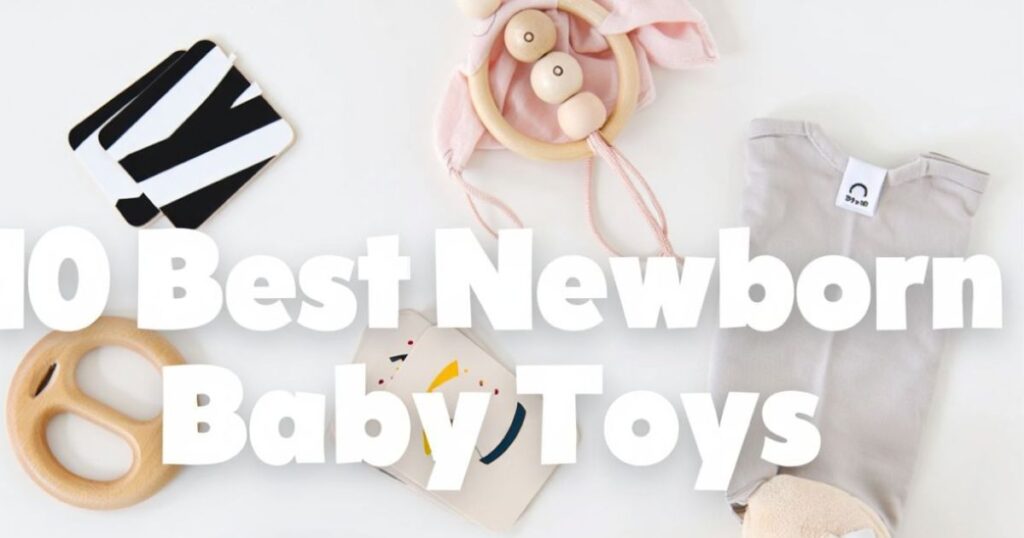
Choosing the right newborn baby toys is crucial for an infant’s early development. Even though newborns spend much of their time feeding and sleeping, gentle sensory toys can engage their growing minds. Toys that stimulate sight, sound, and touch encourage babies to explore. For example, newborns can follow objects with their eyes and are drawn to bright colors and simple patterns. They enjoy listening to sounds and exploring by sucking, touching, and moving their hands and feet. Providing suitable toys (soft rattles, high-contrast cards, gentle mirrors, etc.) helps these natural behaviors, supporting visual tracking, hand coordination, and cognitive growth.
- Visual engagement: Infants 0–3 months will gaze at bold shapes and faces. They prefer high-contrast and primary colors.
- Auditory stimulation: Gentle sound toys (like soft rattles or crinkle books) introduce cause-and-effect listening. Newborns love familiar voices and lullabies.
- Tactile exploration: Babies explore the world with hands, feet, and mouths. Soft, textured toys (without small parts) encourage safe mouthing and grasping.
By matching toys to a newborn’s developing senses, parents can give infants stimulating play that lays the foundation for later learning.
Developmental Milestones (0–3 Months)
Understanding a baby’s growth helps in picking appropriate toys. From birth to 3 months, infants begin to strengthen neck muscles, focus eyes, and grasp objects. According to pediatric guidelines, by about 2 months babies can lift their heads during tummy time and begin to swipe at toys. They enjoy looking at faces and bold patterns, and often turn toward sounds. The American Academy of Pediatrics (AAP) notes that in this stage “toys that are not overstimulating” and match baby’s limited abilities are best. In practice, parents often introduce:
- Floor play: Tummy time mats or play gyms with hanging toys help babies work on lifting their head and reaching.
- Simple grasp objects: Soft rings, rattles, or fabric books sized for tiny hands (no small pieces) encourage the emerging grasp reflex.
- Visual toys: High-contrast black-and-white images, mobiles, or books with bold pictures attract newborns’ gaze. Even baby-safe mirrors are engaging, as infants love looking at faces.
Toys should “grow” with the baby. Many play gyms and baby books have features that become more interesting as vision and hand control improve. Understanding these milestones ensures toys are developmentally appropriate, enhancing learning without frustration.
Safety Guidelines for Infant Toys
Safety is paramount for toys aimed at newborns. Both the AAP and Consumer Product Safety Commission advise the following:
- Age-appropriate size: All toys and parts should be larger than a baby’s mouth (at least 1¼ inches in diameter) to prevent choking. Always read age labels on packaging; avoid anything with small detachable pieces for infants.
- Secure construction: Soft or plush toys must have tightly sewn seams and securely attached parts. Remove any loose strings, ribbons, buttons, or beads that could come off and pose a risk. For example, a teddy bear should have embroidered eyes and no plastic pellets inside.
- Non-toxic materials: Choose toys labeled “nontoxic” and free of harmful chemicals (no lead paint, BPA, or phthalates). Look for BPA-free silicone teethers and natural wood toys. Many brands now use eco-friendly materials; for instance, the Melissa & Doug Ocean Play Gym uses FSC-certified wood and organic fabrics. Always wash toys regularly to keep them sanitary.
- No loose batteries or magnets: Avoid toys with button batteries or high-powered magnets, as swallowing these can cause serious injury. Keep battery compartments well-locked.
- Crib toy rules: Hanging mobiles and crib gyms should be mounted out of baby’s reach. The AAP specifically warns to remove soft or hanging toys by 5 months of age (or when baby can push up) to prevent strangulation or suffocation.
By following these guidelines – using sturdy, large, washable toys and avoiding small parts – parents ensure a safe play environment. Remember, supervision is also important: always stay nearby when a newborn plays with any toy.
Safe Infant Toys for Your Newborn
When shopping for toys for a newborn (0–3 months), focus on safety and simplicity. “Any item a newborn holds should be of a soft material…safe to put in their mouth, and easy to clean,” advises pediatric experts. That means choose toys made of cloth, soft plastic, or silicone. Ensure they are smooth (no sharp edges) and truly baby-proof. For example, a soft teething ring, a cloth book, or a pliable rubber rattle are ideal at this age. All pieces must be firmly attached; rattles should not have loose parts. The HealthyChildren.org (AAP) safety tips emphasize removing any hanging or loose items in the crib by 5 months and checking labels for suitability.
Safe infant toys for a newborn are those that stimulate without risk – no loud electronics, no quick motions, and certainly no small detachable pieces. In summary, pick large, soft, and non-toxic toys that match a baby’s reflexes and senses.
Soft Plush Toys for Newborns
Soft plush toys give newborns a sense of comfort and texture to explore. Choose cuddly animals, dolls, or blankets made of soft fabric that babies can safely snuggle.
Plush stuffed animals and soft dolls are perfect first toys for babies. They provide gentle tactile stimulation and a sense of security. Experts note that simple cloth dolls or animals (with no hard parts) are recommended: “small stuffed animals with no plastic parts or buttons” are listed for infants around 2 months old. When selecting plush toys for newborns, ensure all parts are attached securely. The AAP advises that seams should be tight, fabrics washable, and any decorations (like eyes or tags) firmly sewn. Remove any bows or ribbons that could loop around tiny fingers. A machine-washable soft toy is ideal since newborns often put toys in their mouth. For example, a
velvety teddy bear or a plush fabric book can be great: they are soft, safe to chew, and easily cleaned.
Always inspect plush toys regularly for wear. By choosing well-made, hypoallergenic plush toys, parents give babies comforting snuggle-buddies without hazards.
High-Contrast Baby Toys for Vision
High-contrast toys with bold black-and-white patterns or bright colors help newborns focus and track objects. Infants naturally prefer sharp, contrasting shapes which stimulate visual development.
Newborn vision is limited – infants primarily see in shades of gray and focus on objects about 8–12 inches away. This makes high-contrast baby toys especially effective. Pediatrician Dr. Denise Scott notes newborns “look more for contrast, so toys that…are black and white or brightly colored are best”. Research supports this: infants are naturally drawn to bold patterns as they train their developing eyesight. High-contrast toys (such as black-and-white flashcards, graphic patterns, or mobiles) are easy for newborns to detect. For instance, many baby gyms include a side of the play mat with simple black-and-white graphics.
One example is the Melissa & Doug Ocean Easy-Fold Play Gym: it has one side of the mat featuring high-contrast monochrome patterns specifically to stimulate early vision.
Parents can also use DIY options like card stock cutouts or books with sharp designs.
In short, high-contrast baby toys help babies focus their eyes and begin visual tracking. Including one or two black-and-white toys (or toys with bold primary colors) is a smart way to support early visual development.
Rattles, Shakers and Grasp Toys
Grasping and listening go hand-in-hand for a newborn. Simple rattles and shakers encourage hand-eye coordination and auditory feedback. Newborns may not intentionally grab toys yet, but by 2–3 months they often begin to swipe at colorful objects. Good choices are fabric-covered rattles or rings with smooth handles. These are easy for tiny hands to hold and safe to mouth. The NAEYC recommends “rattles, large rings, squeeze toys” for young infants. These toys often crinkle or jingle softly when moved, rewarding baby for their actions. When selecting rattles/shakers for 0–3 months, make sure they are lightweight and have no small detachable parts. Avoid any magnetic balls or batteries.
Some rattles double as teething toys (silicone rings with textures), combining sensory play with soothing gum relief.
Always wipe or wash them after use. In summary, choose bright, easy-to-grasp shakers that make gentle sounds – these help infants develop grip strength and cause-effect learning.
Teething and Comfort Toys
Although many babies don’t start teething until around 4–6 months, newborns often enjoy mouthing soft toys. Safe teething toys and pacifier-style playthings can be introduced gently. Look for BPA-free, food-grade silicone teethers or soft plastic rings that baby can chew on. Pediatric advice is clear: any newborn-held toy should be soft, safe to put in the mouth, and easy to clean. For example, silicone teething rings with smooth edges let babies explore with their gums. They satisfy the baby’s need to chew during drooling phases. Similarly, knotted cloth toys or soft silicone sensory mittens (teethers for hands) are good.
.These should be one solid piece or firmly stitched, without beads. Chewable silicone teething toys not only soothe sore gums but also engage babies with gentle textures.
should sterilize teethers regularly. By combining a teether with a rattle or crinkle fabric, you get a multi-sensory toy that satisfies sucking reflexes and promotes jaw development – all while being completely safe for infants to mouth.
Infant Books and Patterned Cards
Cloth or board books with high-contrast images engage newborns and encourage early literacy. Babies love turning pages, feeling textures, and listening to parent’s
Books might seem advanced, but sturdy infant books are wonderful toys. Newborns love looking at faces and patterns, and hearing voices. Board books with black-and-white or brightly colored pictures can captivate a baby during lap time. Many soft “crinkle” cloth books also squeak or rattle when touched, adding texture. The NAEYC lists vinyl or board books as great toys for infants. High-contrast books (like classic “Hello World!” cards) encourage visual focus. Reading aloud nursery rhymes or simple stories introduces language and rhythm. For example, a soft fabric book with bold animal shapes and a hanging strap can attach to a stroller or play gym.
books are machine-washable and safe to chew. By the end of the newborn stage, introducing one or two cloth or board books supports both sensory play and early literacy.
Even if baby doesn’t understand words, facing pages of black-and-white images helps develop vision and attention. Always supervise any flapping pages or tags to ensure safety.
Tummy Time & Activity Gyms
Tummy time is essential for neck and upper-body development, and the right toys make it fun. Activity gyms or play mats lie on the floor with overhead arches of toys. They encourage babies to lift their heads and reach. A good play gym for newborns has a soft mat and multiple attached toys at varying heights. For example, the Melissa & Doug Ocean Easy-Fold Play Gym (0+ months) is designed for early stages. Its reversible mat has a high-contrast black-and-white side for newborn vision stimulation, and a colorful ocean scene on the other side as baby grows. It includes five detachable soft toys (octopus, turtle, star, crab, and manta ray) with features like crinkles, rattles, mirrors, and teething rings
.These encourage babies to swat, kick, and grab. Even simpler mats with a hanging mobile or mirror can engage infants on their bellies.
features to look for: a padded, washable mat; safe hanging toys (no small parts); and a sturdy arch that stays in place.
When setting it up, place the gym on the floor with at least one high-contrast toy or mirror hanging just above baby’s chest. This motivates them to push up during tummy time. By making floor play comfortable and interesting, activity gyms turn exercise into play, strengthening muscles and coordination safely.
Hanging Mobiles and Nursery Toys
Above the crib or changing table, hanging toys provide visual stimulation while baby lies on their back. Mobiles with soft plush or card stock shapes attract a newborn’s gaze. Choose mobiles with high-contrast or gentle colors and slow movements (no electronic lights or loud sounds). A black-and-white or red mobile often works well for very young infants. Remember safety rules: ensure the mobile is firmly attached and out of reach, and remove it by 5 months of age or once the baby can push up. Besides mobiles, consider attaching simple toys (fabric links, soft rattles) to a car seat or stroller strap; these let a newborn bat at toys safely.
practical idea is a mirror mobile: an unbreakable baby mirror with hanging cloth toys helps babies focus on their own reflection (they love faces). Hanging nursery decor with bold shapes (clouds, stars) can also serve as interest points.
double-check that hanging items comply with safety (no choking hazards, no loose parts). In essence, mobiles and hanging toys are not touched by the baby but provide important visual and kinesthetic stimulation during quiet play.
Musical Toys and Soothers
Gentle sounds soothe infants and introduce them to cause and effect. Soft lullaby music from a small plush toy or white noise from a nursery sound machine can help baby relax. However, experts warn against overstimulation: avoid toys that play loud, fast-paced music or have flashing lights. Instead, choose toys with quiet melodies or crinkling fabrics. For example, soft musical crib toys or a cuddly toy that plays a gentle lullaby (activated by a light squeeze) are suitable. Musical mobiles that play a slow tune while rotating can also be calming. The key is volume and pace: sounds should be soft and repetitive.
Similarly, toys with natural materials like wooden rattles or bells (used sparingly) can be entertaining without overwhelming.
can also sing or play infant music and use simple toys like rain shakers to engage a newborn’s hearing.
In all cases, supervision is crucial. Turn off any sound toys when baby falls asleep to maintain a restful environment. By sticking to gentle, age-appropriate sounds, musical toys become a fun way to bond and sooth.
Mirrors and Face-Recognition Toys
Babies are naturally fascinated by faces – their parents’ and their own. Mirror toys help harness this interest. A baby-safe (acrylic) mirror attached to a play gym or car seat allows an infant to focus and “talk” to their reflection. According to NAEYC, unbreakable mirrors and pictures of faces are listed as things young infants love to look at. Using a mirror toy during tummy time encourages babies to lift their heads and strengthens neck muscles. Another idea is a simple cloth book with a baby’s photo or face drawings. Since newborns prefer human faces, even a framed family photo at their eye level can be engaging.
Always ensure mirrors are securely fastened and shatterproof. Face-recognition toys also include soft dolls with smiling faces or stuffed puppets that parents animate.
help the baby practice social interaction cues. In summary, incorporating faces and mirrors in toy time stimulates emotional and visual development in a natural way.
Eco-Friendly & Non-Toxic Options
Parents increasingly look for environmentally friendly baby toys. Eco-conscious options often use organic cotton, natural wood, or recycled materials. When choosing eco-friendly newborn toys, check for certifications like FSC wood or Oeko-Tex fabrics. For example, the Melissa & Doug Ocean Gym’s wooden parts are FSC-certified, ensuring sustainable sourcing. Organic fabric toys avoid pesticides, and many modern teethers use food-grade silicone without BPA or phthalates. Safety and eco-friendliness go hand-in-hand: many non-toxic toys are also washable and durable. If interested, look for brands that advertise natural dyes and no chemical finishes. Additionally, consider second-hand or heirloom toys (sanitized, of course) to reduce waste.
Just verify any older toy meets current safety standards (no lead paint, etc.). By choosing sustainable toy options, parents can give babies safe playthings and also teach early values of caring for the environment.
Budget-Friendly Newborn Toys
Building a newborn toy collection doesn’t have to be expensive. Many effective baby toys can be homemade or bought cheaply. For example, DIY high-contrast cards made from black and white cardstock can be printed and laminated at home. An ordinary scarf or an unbreakable plastic mirror can serve as free developmental toys. Cheap rattles (fabric rings or a set of large plastic keys) work well, as do soft kitchen items (a heat-safe spoon). Garage sale finds like wooden blocks (painted with contrast) or stuffed animals (cleaned thoroughly) are often fine for newborn play. Even a clean baby-safe brush or a rubber spatula can delight an infant with its texture and sound.
The key is simplicity: babies don’t need high-tech gadgets. On the flip side, some investment toys like a good play gym or a sturdy teether can last through many stages, making them worth the cost.
Parents should prioritize a couple of quality core items (a play mat, a safe teether, a high-contrast book) and supplement with budget finds. No matter the price, ensure each item is safe and suitable for a newborn as discussed above.
Toys for Early Baby Development
Overall, the best newborn baby toys encourage early milestones and senses. They help babies track objects, reach out, grasp, and listen. Examples of highly recommended development toys include:
- Crinkle Books and Tags: Soft books or cloth squares with crinkling sounds and different textures. These encourage touch and hearing.
- Hand Puppets: Soft puppets on a caregiver’s hand can gently wave in front of baby’s eyes, teaching focus and social interaction.
- Activity Balls: Lightweight plush balls or soft sensory balls (textured and squeezable) for grasping. These develop grip reflexes.
- High-Contrast Flashcards: Cards or artwork you can display by the crib. Studies show newborns engage longer with bold images, strengthening visual neural connections.
Many of these overlap with products already listed. The key is variety: mixing visual, auditory, and tactile stimuli in safe ways. As Dr. Scott emphasizes, the best stimulation often comes from faces and voices, so toys are supplements to interaction. Rotate toys periodically to keep baby interested, and always follow safety advice. A well-chosen set of soft, high-contrast, and easy-to-handle toys will nurture a newborn’s development and bring joy to playtime.
Frequently Asked Questions
What types of toys are best for a newborn (0-3 months) baby?
Newborns respond best to simple, sensory toys. Look for high-contrast items (black-white or bright patterns) to engage vision, soft plushies and fabric books for touch and comfort, and small rattles or shakers for auditory stimulation. Toys should be free of small parts and made of soft, safe materials. Age-appropriate examples include soft stuffed animals, cloth crinkle books, and silicone teething rings. These gentle toys help babies focus their eyes, practice grasping, and listen to sounds, aligning with their developmental needs.
How many toys does a newborn baby actually need?
Newborns don’t need many toys to be content. A few well-chosen items per developmental category is enough. For example, one or two high-contrast books, a soft rattle or ring, and a cuddly plush toy or teether can cover visual, tactile, and oral exploration. It’s more important that toys are safe and age-appropriate than having a large quantity. Rotate toys in and out to keep baby interested. Quality interactions—such as talking, singing, and playing with your face—are actually the most important at this stage. Simple, engaging toys can supplement this interaction without overwhelming the infant.
What are some safe materials for newborn toys?
Safe newborn toys should be made of non-toxic, BPA-free materials. Recommended materials include unbleached cotton fabrics, food-grade silicone, untreated wood, and sturdy plastic labeled nontoxic. Avoid PVC, phthalates, and lead paint. Many baby brands now specify “phthalate-free” and “nickel-free” on their labels. If buying wooden toys, check that they are smooth and varnished with water-based paint. Machine-washable fabrics are ideal, since newborns often drool or chew on toys. Always choose toys that meet CPSC standards (look for “ASTM F963” certification) and test for harmful substances. In general, natural or certified materials are best for a newborn’s health and safety.
Are electronic or battery-operated toys OK for newborns?
Battery-operated toys are generally not recommended for newborns. Infants have short attention spans and are easily overstimulated by flashing lights and loud sounds. The AAP advises avoiding toys that play fast music or have flashing lights for babies under a year. Instead, stick to simple, passive toys. If using a music toy, choose one with a gentle lullaby tone and low volume. Always supervise use of electronic toys and remove batteries when the baby is not playing. For newborns, the best “toy” is often your face, voice, or a gentle instrument like a soft plush that plays a quiet melody or white noise, rather than complex electronics.
When can newborns start playing with toys like rattles and mirrors?
By around 2 months, babies begin to notice sounds and try to grasp objects. This is a good time to introduce rattles and soft mirrors. A simple rattle or shaker will catch their attention as they start reaching. Similarly, baby-safe mirrors (acrylic and unbreakable) are great by 2–3 months, as infants enjoy looking at reflections and human faces. Ensure rattles have easy-to-hold rings and no small parts, and place mirrors in view during tummy time to encourage head lifting.
support the baby’s back when first introducing these toys, and never leave them with loose small objects. In short, gentle grasp toys and mirrors are ideal once the baby can focus eyes and barely hold objects, which is typically around 8–12 weeks old.
How do I clean and care for newborn toys?
Newborn toys should be cleaned frequently. Most soft toys, fabric books, and plush items should be machine washable on a gentle cycle and air-dried. Check labels – many baby toys are designed to handle washing (e.g., “machine washable & dryer safe”). Silicone teethers and plastic toys can be washed with warm soapy water or sterilized by boiling (if the material allows). Wooden toys should be wiped down with a damp cloth and mild detergent. Avoid harsh chemicals or bleach on baby toys.
Tip: Remove batteries from any battery-operated toys before cleaning. Inspect toys for wear each time you clean. Discard or repair any toy that has broken or loose parts. Clean toys keep germs at bay and ensure the toy remains safe for mouthing and play.
What if my baby doesn’t seem interested in a toy?
It’s normal for babies to prefer their caregivers over toys in the earliest months. If a toy fails to engage, try using it differently: move it slowly in front of baby’s face to draw attention, or squeak a little with a rattle to spark interest. Sometimes a baby needs time to grow into a toy; they might enjoy it in a few weeks. Also consider baby’s current mood – tired or hungry babies are less likely to play. Keep sessions short (a few minutes) and combine toy play with interaction: sing about the toy or show it yourself.
one toy isn’t a hit, rotate in another from a different category (visual vs. auditory vs. tactile). The key is gentle patience – babies will gradually become more curious and will start enjoying toys more as their vision and reach improve.
Conclusion
Choosing the best newborn baby toys means looking for soft, engaging items that match a baby’s developmental stage and safety needs. We’ve highlighted toys – from plush rattles to high-contrast mobiles – that help newborns 0–3 months explore their world. Remember the primary goal: support early vision, hearing, and motor skills in a safe way. Always prioritize non-toxic materials and avoid small parts or overstimulating features. With the right toys and lots of face-to-face interaction, parents can turn playtime into valuable learning. In the end, the best toy might simply be you – talking, singing, and playing peek-a-boo with your baby. By providing safe, stimulating toys and your loving attention, you’ll help your newborn grow and thrive.
