
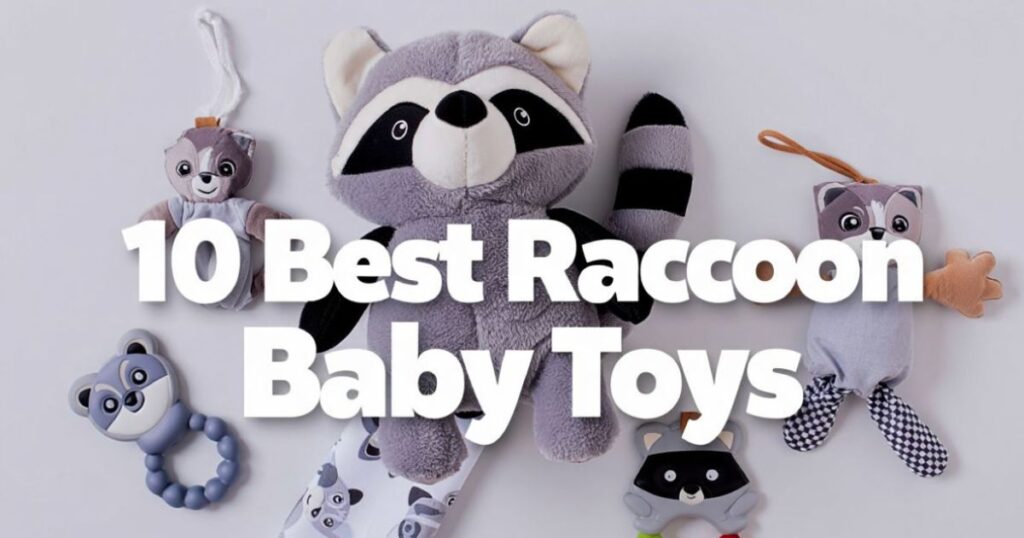
Choosing the right racoon baby toy can be surprisingly complex. Parents want something cute and engaging for their little one, but also safe, durable, and age-appropriate. The best raccoon toys balance softness with non-toxic materials (like 100% food-grade silicone or organic cotton), and avoid small parts that could be choking hazards. They should also be easy to clean – machine-washable plush toys or dishwasher-safe silicone teethers are ideal. In this guide, we highlight the top 10 raccoon baby toys of 2026, covering plush stuffed animals, lovey blankets, rattles, and teethers that parents and babies love. We’ll also explain what to look for in materials and safety certifications, along with cleaning tips and developmental benefits.
Key points: Look for safety-tested toys with embroidery instead of plastic parts, use non-toxic fabrics, and choose the right style for your baby’s age. Below are expert picks and tips to help you make a confident choice.
Why Choose a Raccoon Baby Toy?
Raccoon-themed toys belong to the popular woodland animal category, which is beloved by parents and kids for its cute, storybook charm. A cuddly raccoon toy can become a baby’s first friend, providing comfort during naptime or play. Studies in child development show that soft stuffed animals and character toys can offer emotional support and stimulate imagination. Raccoons, with their bandit-like mask and bushy striped tail, capture a child’s interest. Many raccoon toys are designed as loveys or security blankets, combining a plush character head with a small blanket. For example, the Mary Meyer Leika Little Raccoon Lovey is a mini security blanket with a friendly raccoon head. Loveys are lightweight and portable, perfect for on-the-go comfort.
Raccoon toys also tap into a woodland theme, matching nursery decor trends and baby clothing collections. When parents choose a cute raccoon stuffed toy or teether, they often note how its whimsical design can engage a baby’s senses and soothe them. Because raccoons are woodland creatures, these toys can have natural, earthy color palettes and textures. Overall, a raccoon baby toy combines visual appeal with versatility – it can be a plush cuddle buddy, a teether for sore gums, or a rattle for sensory play. Choosing a raccoon-themed toy taps into these benefits of animal plush toys (comfort, developmental play, and security).
Safety Standards for Baby Toys
Safety is paramount for any baby toy. In the United States, the Consumer Product Safety Improvement Act (CPSIA) mandates rigorous testing: ASTM F963 is the mandatory toy safety standard for children under 12. This covers mechanical safety (no small parts or sharp edges) and toxicology (limits on chemicals and heavy metals). For example, toy labels and certifications should indicate compliance with ASTM F963 and CPSIA. Products are often certified by independent labs to ensure they are free from excessive lead, phthalates, or other hazards.
In Europe, toys must meet EN 71 standards and carry the CE mark. EN 71 has parts addressing flammability, toxic elements, and mechanical safety. Any raccoon toy sold in the EU should be CE-certified, meaning it has passed EN 71 tests for fabric safety, chemical content, and flammability. Parents should check packaging for CE or ASTM symbols.
Additionally, look for Oeko-Tex or GOTS certifications on fabrics. Organic cotton raccoon toys often use GOTS-certified fabric and dyes, ensuring no harmful pesticides or heavy metals were used. For silicon teethers, ensure the product is BPA/PVC/phthalate-free. For example, many silicone raccoon teethers explicitly state “100% food-grade silicone, BPA-free” (like the Busy Baby raccoon teether). Always check that eyes, noses, and decorations are either embroidered or securely attached to prevent choking.
- Look for: ASTM F963/CPSIA (US) or CE/EN71 (EU) compliance.
- Check materials: Non-toxic fabrics, food-grade silicone, embroidered features.
- No loose parts: Avoid plastic eyes or buttons on plush toys; choose embroidered eyes.
- Manufacturer info: Reputable brands often mention safety testing on their websites or tags.
By choosing certified products and following guidelines (never leaving babies unsupervised with any toy), you minimize risk. According to safety experts, plush toys with fully embroidered faces and no small parts are safe even from birth. Always double-check current recalls or safety alerts from the CPSC before purchasing.
Materials and Construction
The construction of a raccoon toy strongly affects safety and durability. Here are material factors to consider:
- Fabric type: Most plush raccoon toys use polyester fibers or organic cotton. Polyester plush (like ultra-soft velour) is cuddly, but organic cotton is breathable and hypoallergenic. For example, the Apple Park raccoon rattle uses 100% GOTS-certified organic cotton and corn-fiber fill, making it gentle for sensitive babies. Organic fabrics are grown without pesticides and often use Oeko-Tex dyes. If your baby has sensitive skin, an organic raccoon toy can reduce irritation.
- Filling: Toys are usually filled with polyester fiber or natural corn fiber (in organic toys). Hypoallergenic corn fiber fill (like in Apple Park rattles) avoids synthetic chemicals. Plush fillers should be snug so the toy doesn’t deform or clump after washing.
- Silicone parts: Raccoon teethers and some rattles use silicone. Look for 100% food-grade silicone, free of BPA, PVC, and phthalates. Silicone should be dense but safe for babies to chew. Many silicone raccoon toys (like rings or faces) are dishwasher-safe for sanitation.
- Attachments: Any decorative elements (ears, tails, spots) should be securely stitched. Loose strings or ribbons are hazards. For baby-safe plush, manufacturers often embroider eyes, nose, and mouth instead of using plastic buttons. For example, the Douglas Ringo Raccoon plush has embroidered eyes. Always examine new toys for quality stitching.
- Washability: Babies chew and drool, so materials must be easy to clean. Machine-washable fabrics (cool, gentle cycle) and wipeable silicone are best. The Busy Baby silicone raccoon teether, for instance, is dishwasher-safe, and many plush raccoon toys are machine washable (some on gentle cycles). Check care labels: avoid toys that must be hand-washed or can’t be washed at all.
- Size and weight: Raccoon toys for infants should be lightweight and easily graspable. Weighted or oversized toys are meant for older kids. For babies, soft floppy toys (with weighted bottoms) can help them hold on; the Douglas Ringo Raccoon uses a weighted base to be easily grippable.
In summary, prioritize baby-safe fabrics and fillers, no detachable parts, and materials that can withstand washing. Many products specify compliance (like “consumer-tested for ages 0+” or “CPSIA compliant”) on their packaging or description.
Age-Appropriate Raccoon Toys
Babies’ needs change rapidly in the first year, so choose raccoon toys that match developmental stages:
- 0–3 months: Newborns need very simple, soft items. At this stage, a tiny raccoon lovey or soft rattle is ideal. Look for lightweight toys with soothing textures. For example, a mini plush rattle like the Apple Park Raccon Rattle (with gentle jingling) is perfect, because it’s easy for new hands to hold. Security blankets (loveys) like the Mary Meyer Leika Raccoon (a plush head attached to corners of a blanket) are also great for newborns. Never put large toys in the crib with infants, but a small lovey at nap time can help them self-soothe.
- 3–6 months: Babies start grasping and mouthing things. This is when teethers and textured rattles come in. A silicone raccoon teether toy or a plush teether ring (like the Apple Park cuddly teether with wooden ring) soothes gums. Toys with varied textures are excellent at this stage. For instance, a spiral stroller toy with raccoon theme offers different textures (mirror, teether, crinkle).
- 6–12 months: Babies become more mobile and curious. They enjoy larger plush toys they can hug, or interactive toys that attach to strollers and car seats. The Infantino Spiral Raccoon Activity Toy (wrap-around toy) is designed for this age – it has rattles and clackers to promote motor skills. Plush raccoon dolls (like Aurora EBBA Rocko, ~14” tall) are also suitable; by this age babies can hold and carry a big stuffed animal. Look for medium-sized plush with no small attachments.
- 12+ months: Toddlers appreciate even more features. Larger plush raccoons with sound effects or removable parts (for older toddlers) can be used. But always check any additional parts for age rating.
Choking hazard note: Up to 18 months, avoid any toy that isn’t expressly marked “0+.” Even in plush, any sewn-on accessories must be checked. The Douglas Ringo Raccoon and Mary Meyer Lovey are labeled safe “from birth”, meaning every element is baby-proofed. Always supervise play, especially with younger infants.
How to Clean and Care for Raccoon Baby Toys
Because babies drool and explore with their mouths, hygiene is crucial. Cleaning methods depend on the toy’s materials:
- Silicone Teethers/Rattles: These can usually be washed with warm soapy water or even put in the top rack of a dishwasher. For example, the Busy Baby raccoon silicone teether is dishwasher-safe and very easy to sanitize. After cleaning, air-dry or pat dry. Avoid boiling unless the manufacturer explicitly says it’s allowed, as some ring or bead attachments might not handle extreme heat.
- Plush and Loveys: Most embroidered soft toys can be machine washed on a gentle cycle with mild detergent. The Douglas Ringo Raccoon, for instance, is machine washable (cool, gentle cycle). Place it in a laundry bag to protect it and use delicate wash. Avoid high heat drying – tumble dry on low or air dry to prevent shrinking. Always check the care tag: some raccoon loveys (with satin edges or wooden parts) may require surface cleaning only.
- Wooden or Mixed-material Toys: The Apple Park raccoon teether combines organic plush and a wooden ring. For such toys, wipe the plush part with a damp cloth and use baby-safe toy wipes, and wash the wooden ring with mild soap and water. Never submerge wooden parts as it can warp the wood; instead wipe them dry. Some parents also rub the wood with food-grade oil to maintain it.
- Frequency: Clean teethers after every day of use and plush toys at least weekly or when visibly dirty. If an item falls on the floor, wash it promptly. Toys exposed to saliva or baby formula should be cleaned more frequently.
- Drying: Always ensure the toy is fully dry before giving back to baby – moisture can harbor mold. After washing, shake and fluff plush toys well. For silicone teethers, let them drip-dry completely.
In summary, follow manufacturer instructions, but as a rule of thumb: dishwasher or boiling water for silicone, gentle machine wash for fabric, and spot-clean wooden/mixed toys. Proper care keeps raccoon toys hygienic and looking new, and prevents skin irritation.
Benefits of Woodland Animal Baby Toys
Raccoons are part of the broader “woodland animals” theme popular in nurseries and baby products. These toys offer unique benefits:
- Engaging Designs: Woodland toys like raccoons often have charming faces and textured features. Babies are drawn to the mask-like eyes of raccoons and their bushy tails. A cute raccoon stuffed toy can capture a baby’s attention, encouraging focus and tracking movement during play.
- Sensory Stimulation: Many raccoon toys incorporate different textures – e.g., plush body, crinkly tail, soft silicone face. This tactile variety is excellent for sensory development. The Infantino Spiral Raccoon Activity Toy exemplifies this by combining mirror, rattle, and fabric bits. Toys with varied textures help babies learn about touch and build fine motor skills.
- Emotional Comfort: Soft animal toys often become transitional objects. A plush raccoon or raccoon lovey can help babies self-soothe when they’re anxious or sleepy. The floppy design and cuddly feel of a toy like the Douglas Ringo Raccoon (shown below) invites hugs and provides comfort. Consistent comfort object: If a baby uses a raccoon plush at bedtime, it can help establish a bedtime routine.
- Teething Relief: Specifically, raccoon teether toys turn play into gum-soothing relief. Chewing on the textured silicone parts of a raccoon teether or the wooden ring on a plush raccoon can alleviate teething pain. For example, the Busy Baby silicone raccoon and the Apple Park cotton raccoon teether are designed with gnawable parts. Parents find these targeted designs more effective than generic teethers.
- Imaginative Play: As babies grow, a raccoon toy can become part of pretend play (e.g., stuffed raccoon on a ‘camping trip’). Woodland toys often foster storytelling (a raccoon in the forest).
Image: Aurora EBBA Rocko the Raccoon plush – a soft, 14″ raccoon designed for baby cuddles. (Image source: Walmart.)
These developmental benefits make raccoon baby toys more than just cute decorations. They support exploration, fine motor growth, and emotional development. When choosing, consider how the toy’s features (textures, sounds, visuals) match your child’s developmental stage and interests.
Types of Raccoon Baby Toys
There are several popular styles of raccoon baby toys. Understanding each type helps you pick what your baby will love:
- Plush Stuffed Animals: These are soft, cuddly raccoon toys made entirely of fabric and fiber fill. They come in various sizes (8″, 12″, 14″, etc.). Example: Aurora EBBA Rocko Raccoon (14″). Plush raccoons usually have embroidered faces for safety. They are perfect for snuggling and comfort. Pros: Very soft, safe, comforting. Cons: No interactive features (usually no sounds, hard for teething).
- Lovey/Security Blankets: These combine a small blanket with a raccoon character head (often attached at the center). The Mary Meyer Leika Raccoon Lovey and similar products are typical. It is smaller and flatter than a full plush, making it easy for tiny hands to grasp. Pros: Portable, multi-textured (soft blanket + plush head), helps with self-soothing. Cons: Minimal features (no rattle or teether built-in).
- Rattles and Activity Toys: Raccoon-themed rattles provide gentle sounds. They might be plush rattles (with a squeaker or beads inside) or multi-activity toys. For instance, the Apple Park Organic Raccoon Rattle is an example of a fabric rattle. The Infantino Spiral Raccoon (shown below) attaches to strollers and has multiple interactive elements (mirror, beads, squeakers). Pros: Sensory stimulation, keeps baby engaged. Cons: Usually larger or pricier, may have harder parts (but still CPSC-compliant if marked baby-safe).
- Silicone Teethers: These are chewable raccoon shapes made of soft silicone. Examples include the Busy Baby Raccoon Silicone Teether and the Mary Meyer Leika Raccoon Silicone Teether. They are often small rings or handheld shapes. Pros: Soothing for teething, easy to clean, durable. Cons: Doesn’t provide cuddling (not a comfort toy).
- Knitted/Crocheted Toys: Handmade crochet raccoon toys (often made of organic cotton yarn) are popular on Etsy. They follow the same safety ideas (no plastic parts). For example, Finn + Emma’s Ramsay the Raccoon Rattle Buddy is a hand-knit organic cotton raccoon with a rattle inside. Pros: Unique, natural materials, often fair-trade. Cons: Availability limited, sometimes more delicate.
- Teething/Rattle Combo: Some toys combine plush and teether features. The Apple Park raccoon teether with a wooden ring is plush on top and has a smooth wood teething ring. This gives both comfort (plush raccoon) and gum relief (wood). Pros: Versatile, cute. Cons: Wood and fabric need separate cleaning methods.
When picking, consider your baby’s needs. A newborn may just want a lovey or soft rattle, whereas a 6-month-old teething baby might prefer a silicone teether. It’s also common to have multiple types: one soft plush for bedtime and one teether for daytime chewing.
Top 10 Best Racoon Baby Toys (2026 Picks)
Below are 10 standout raccoon-themed baby toys, each excelling in safety, quality, or innovation. (Prices and availability were current as of 2026.)
- Douglas Ringo Raccoon Plush Stuffed Animal (12″) – Best Premium Cuddle Toy: This luxury plush raccoon is irresistibly soft, made with velvety polyester fabric. It has a weighted bottom that makes it easy for babies to hold and makes the toy flop just right for cuddling. All facial features (eyes, nose, mouth) are fully embroidered, so there are no plastic parts to chew off. It is safety-tested from birth and machine washable (on gentle cycle). Parents rave about its keepsake quality for newborns. Cons: Higher price point, and it’s meant for snuggles (no teether or interactive parts).
- Mary Meyer Leika Little Raccoon Lovey (8″) – Best For Comfort & Travel: This cute lovey is part of Mary Meyer’s Scandinavian-inspired Leika line. The raccoon head is soft velour with an attached fabric tail/tails that act like a mini security blanket. It’s lightweight and designed for tiny hands. The plush raccoon head has embroidered eyes and nose (no choking hazard). It’s fully machine washable, and parents say it quickly becomes a favorite nap-time buddy. Cons: Some babies might outgrow a small lovey quickly as they get older.
- Apple Park Organic Robbie Raccoon Rattle (8″) – Best Organic Option: This charming rattle toy is made from 100% GOTS-certified organic cotton and filled with hypoallergenic corn fiber. It features a gentle internal rattle sound inside the raccoon’s body. The fabric is soft knit, and all accents (face mask and eyes) are embroidered. It has a friendly expression that babies adore. Parents love its organic materials and mention that it’s light enough for a newborn to shake slightly. Cons: It’s not for chewing or teething (it’s a rattle only), and older babies might find it simple.
- Infantino Spiral & Stretch Raccoon Activity Toy – Best All-in-One Travel Toy: This versatile toy wraps around stroller bars, car seats, or play mats. It has a raccoon motif and includes multiple interactive elements: a clip-on mirror, soft ring rattle, and silicone teether, all connected on a flexible spiral. The spiral shape keeps toys within reach (no more dropped pacifiers!) and engages infants with textures and sounds. It’s made of child-safe materials (BPA-free plastic and soft fabric). Pros: Excellent value (multiple features in one), helps develop grasping and visual skills. Cons: Some elements are spot-clean only (no machine wash), and it may not fit every stroller.
- Busy Baby Silicone Racoon Teether – Best Value Teething Relief: This 100% food-grade silicone raccoon features multiple textured areas for gums. (See image below.) Its squishy tail and head offer gentle relief to sore gums. The design includes an integrated loop so you can attach it to standard clip-on tether systems (sold separately). It’s dishwasher-safe and stain-resistant, making cleanup a breeze. Parents praise how easy it is to clean and that the soft silicone actually soothes babies. Cons: Doesn’t come with a tether (some need to buy one to prevent drops). Also, smaller babies might prefer a chunkier teether.
Image: Apple Park Organic Plush Raccoon Teether – combines a soft organic plush raccoon with a natural wood teething ring. (Image source: Apple Park.)
- Finn + Emma Ramsay the Raccoon Rattle (Hand-Knit) – Best Handmade Option: This adorable 8″ raccoon is hand-knit from GOTS-certified organic cotton yarn by an ethical women’s cooperative in Peru. It includes a safe, phthalate-free rattle inside. The yarn is dyed with non-toxic, eco-friendly dyes. Being all-natural and handcrafted, it appeals to eco-conscious parents. It’s lightweight for small hands and “snuggle-friendly.” As one reviewer notes, babies love the gentle jingle and the unique artisanal look. Cons: Pricier than mass-produced toys, and the rattle sound is very soft (fine for infants but might get overlooked by distracted toddlers).
- EBBA (Aurora) “Rocko” the Raccoon Plush (16″) – Best Large Soft Raccoon Plush: This big 16-inch gray raccoon is designed for baby cuddles. It has ultra-soft fabric throughout (no beans inside, just all-stuffing) and a floppy body that’s easy for infants to hold. Its face is embroidered and has a friendly smile, and it features a striped belly for visual interest. Aurora’s EBBA line toys are made for all ages, and “Rocko” is no exception – suitable even for newborns. Many parents choose this as a cozy nap-time companion. Cons: Because it’s larger, it’s not meant for teething or as a mobile toy; it’s mainly for cuddling.
- Mary Meyer Leika Little Raccoon Silicone Teether (9″) – Best Licensed Character Teether: Matching the lovey above, this teether has the Leika raccoon face molded in solid BPA-free silicone with fabric ears/tail for grip. It’s 9″ long and perfectly sized for 3+ month olds. The silicone face has raised details that babies chew on, while the soft velour tail adds a comforting touch. It’s dishwasher safe or surface washable, and the fabric tail is removable for machine washing. Parents love that it’s both a cute toy and a practical teether. Cons: On its own, it’s not very plush, so it’s strictly a teether, not a cuddle toy.
- Carter’s Raccoon Plush Rattle – Best Budget Pick: (Local retailers) A simple gray raccoon plush with a small rattle inside. It’s lightweight (around 6–8″ tall) and double-stitched for safety. While budget brands may not list formal certifications, check for “surface washable only” labels. This one has embroidered eyes and a gentle rattle sound. For parents on a budget or as a gift, these mass-market raccoon rattles offer decent quality (Carter’s is known for baby gear) at a low price. Pros: Affordable and easy to find. Cons: Fewer frills than premium brands, and may not last as long as higher-end toys.
- Joobles “Racky” the Raccoon (Organic Stuffed Animal) – Best Ethical Gift: A hand-knit 11″ raccoon from 100% organic cotton Tanguis yarn. Oeko-Tex dyes ensure safety, and the filling is a new polyester meeting CPSC antimicrobial practices. It looks like a classic plush raccoon and is officially baby-safe. Parents who care about fair trade and small producers choose this brand. Cons: Harder to find (specialty stores or Etsy), and typically has a knit texture (less squishy than polyester plush).
Comparison Tips
These toys can be grouped by function: Comfort/Cuddle (like #1, #2, #7), Interactive/Development (like #3, #4), and Teething (#5, #8). The conclusion section below summarizes which type is best for which need (e.g. best cuddle gift, best teether, etc.). Each toy above is a top pick in its category, as backed by parent reviews and expert recommendations.
How to Choose the Right Raccoon Baby Toy
With so many options, consider these factors:
- Baby’s age and stage: Newborns want very soft, simple toys (loveys, plush ring rattles). Teething 6-month-olds need silicone chewables. Always follow age recommendations on packaging.
- Material preferences: If you want chemical-free, look for organic cotton or natural wood components. If durability is key, premium polyester plush or silicone is good.
- Function: Do you need a comfort toy or an activity toy? For comfort, plush or loveys are best. For developmental play, choose rattles or spiral activity toys.
- Safety features: Prioritize embroidered features and no loose bits. Ensure any small parts (like squeakers) are sealed inside and cannot detach.
- Ease of cleaning: Parents say the easiest toys are those that can go in the washer or dishwasher. If you travel often, maybe a compact silicone teether (dishwasher-safe) is more practical than a big plush.
- Budget and brand trust: Well-known brands (Douglas, Mary Meyer, Apple Park, Aurora, Infantino) invest in safety testing. Newer brands (especially online) can be safe too but check reviews.
- Personal style: Raccoon toys come in various colors (gray, brown, or even whimsical prints). Pick one that you and baby will love looking at.
Caring for Your Racoon Baby Toy
Proper care extends the life of any baby toy. Here are tips:
- Regular inspection: Before each use, check the raccoon toy for wear. Look for loose seams, torn fabric, or detached parts. If you notice loose stuffing or fraying, mend or retire the toy.
- Washing schedule: Follow cleaning guidelines (see earlier section). As a rule, wash plush raccoon toys at least monthly or whenever soiled. Silicone toys should be cleaned more often if dropped or licked repeatedly.
- Storage: Keep toys in a clean, dry place. Avoid leaving them on the floor, which exposes them to dirt. A breathable toy bin or basket in the nursery works well. For teethers, a small container in the diaper bag is handy.
- Rotate toys: To keep your baby’s interest, rotate raccoon toys in and out of play. A toy box of raccoon and other animal toys means each toy feels “new” when reintroduced. This also gives you time to wash and dry toys between uses.
- Avoid excess heat: Don’t iron or expose raccoon toys to high heat (which can deform or shrink materials). Also keep them away from open flames or hot surfaces.
- Disposal of worn toys: If a raccoon toy becomes badly stained, torn beyond repair, or starts to smell even after washing, it’s safer to replace it. Cut or remove labels and consider recycling (if safe) or throwing in textile recycling.
FAQ (Frequently Asked Questions)
Q: Are raccoon baby toys safe for newborns?
A: Yes – but only if they meet safety guidelines. Plush raccoon toys designed for infants have embroidered eyes and features (no plastic pieces) and no removable parts. For example, the Douglas Raccoon and Mary Meyer Leika Lovey are labeled safe from birth because all their features are embroidered. Even so, follow sleep guidelines: experts recommend keeping all soft toys out of the crib when your baby is sleeping unsupervised. Supervised cuddling with a soft raccoon is fine from day one.
Q: How do I clean a raccoon baby toy?
A: It depends on the material. Silicone teethers (like Busy Baby’s silicone raccoon) can usually be washed with warm soapy water or placed on the top rack of a dishwasher. Plush raccoon toys should be machine washed on a gentle cycle (in a laundry bag) and air-dried or tumble-dried on low. For example, the Douglas Raccoon requires a cool, gentle machine wash. If a raccoon toy has wood or electronics, spot-clean only those parts. Always check the manufacturer’s care tag. After washing, ensure the toy is fully dry before giving it back to your baby.
Q: What age is appropriate for a raccoon stuffed animal toy?
A: Raccoon stuffed animals with embroidered features (like many on this list) are safe from birth. Newborns can cuddle them (at supervised times), and they can stay with a sleeping baby once the baby is older than 1 year. By 3-6 months, a plush raccoon can be grasped and mouthed. Always avoid stuffed animals in an infant’s crib if unsupervised. Essentially, choose a raccoon toy rated “0+ months” for newborn use. As your child grows, larger or more interactive raccoon toys become appropriate.
Q: Why use an organic raccoon baby toy?
A: Organic raccoon toys (made from certified organic cotton and natural dyes) are free from pesticides and many chemicals. They’re hypoallergenic and gentle on sensitive skin. For instance, Apple Park’s organic raccoon rattle is filled with natural corn fiber and has no synthetic dyes. Parents often choose organic options if they or their baby have allergies or if they want to be eco-friendly. While organic toys can cost more, they offer peace of mind about chemical exposure.
Q: When can I give my baby a raccoon teether toy?
A: Most babies start teething around 4–6 months, so that’s when you’d introduce a teether. However, some little ones enjoy chewing earlier (even 3 months). A soft silicone raccoon teether (free of choking hazards) is generally safe for 3+ months, with close supervision. Always watch your baby using a teether, and inspect it regularly for damage. Remember: before 3 months, focus on lightweight rattles and toys; after 3-4 months, a silicone raccoon teether can soothe gums.
Q: What makes a raccoon baby toy “safe”?
A: Key safety features include non-toxic materials and no small parts. A safe raccoon toy will use food-grade silicone (for teethers) and child-safe fabrics. Eyes, noses, and decorations should be embroidered, not glued-on. The toy should meet safety certifications (ASTM F963/CPSIA in the US) and have no sharp edges. For example, Busy Baby teethers are labeled BPA/PVC-free, and the Mary Meyer plush series is made to strict baby-safety standards. Also, consider durability – safe toys should withstand chewing and pulling without falling apart.
Q: Can raccoon toys help with my baby’s development?
A: Absolutely. Raccoon toys with multiple textures and sounds (like rattles, teethers, or activity toys) can stimulate sensory development and motor skills. The Infantino Spiral Raccoon toy, for instance, has different fabrics, a small mirror, and rattles, which engage a baby’s touch, sight, and hearing. Even a simple plush raccoon aids development: babies learn to grasp and hold it, which strengthens hand muscles. In short, choosing a raccoon toy with age-appropriate features (crinkle sounds, different fabrics, safe mirrors) supports cognitive and motor growth.
Conclusion
In summary, racoon baby toys can be both adorable and functional. The best choice depends on your baby’s age and needs. For newborn snuggles, a soft plush raccoon or lovey (like the Douglas Ringo Raccoon or Mary Meyer Leika Lovey) is ideal. For teething relief, a silicone raccoon teether (Busy Baby or Mary Meyer Leika Silicone) is perfect. For on-the-go entertainment, consider a multi-activity spiral toy (Infantino Spiral Raccoon) or a light rattle.
- Premium cuddle buddy: Douglas Raccoon plush – incredibly soft and keepsake quality.
- Soothing lovey: Mary Meyer Leika – compact comfort for naps and travel.
- Organic choice: Apple Park Raccoon Rattle – eco-friendly materials.
- Multi-tasking travel toy: Infantino Spiral – attaches to strollers for hands-free play.
- Teether: Busy Baby Silicone Raccoon – hygienic, textured relief.
A well-chosen raccoon toy can provide comfort, stimulate development, and become a treasured companion. By focusing on non-toxic materials, proper age range, and easy cleaning, you ensure both safety and longevity. We hope this guide helps you find the perfect raccoon baby toy for your little one – one that brings smiles, plays safely, and grows with your child.
For more information on baby toy safety and development, consider resources from the U.S. Consumer Product Safety Commission (CPSC) and reputable parenting guides. Happy parenting, and enjoy introducing your baby to their new raccoon friend!
